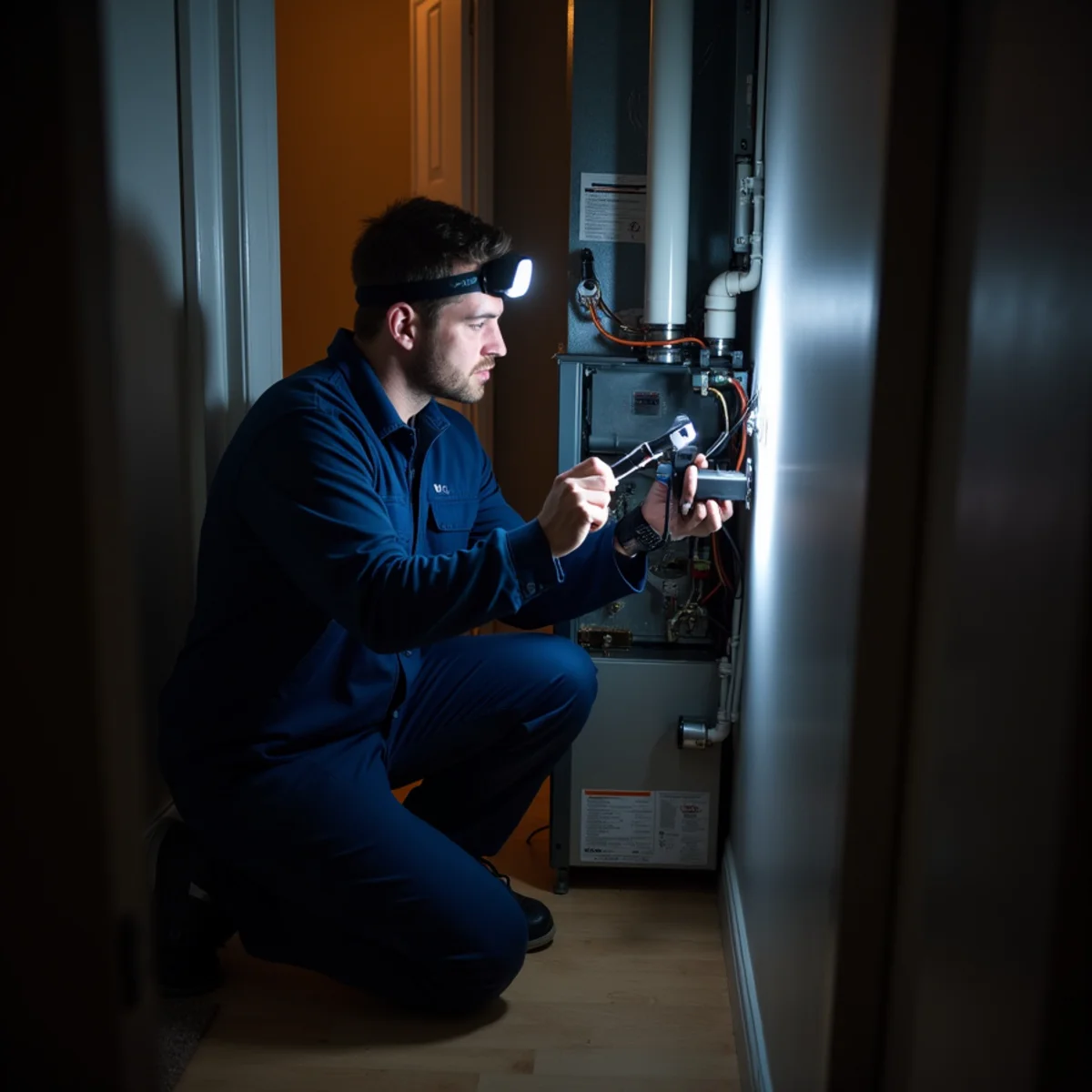
Emergency HVAC repair in Burlington, NC is for heating or cooling failures that put people, pipes or property at risk, such as no heat in a hard freeze, no cooling in a heat wave, or a burning smell from the equipment. Littlejohn HVAC Solutions is open 24/7 for HVAC emergencies, and Jesse answers the phone himself, tells you what is safe to check and gives you an honest arrival time.
When It's an HVAC Emergency
Not every breakdown is an emergency, but some situations can't wait for a routine appointment. Call right away if any of these apply.
No cooling during extreme heat
When indoor temperatures climb into the upper 80s or higher, heat becomes a real health risk, especially for older adults, infants and anyone with heart or breathing conditions.
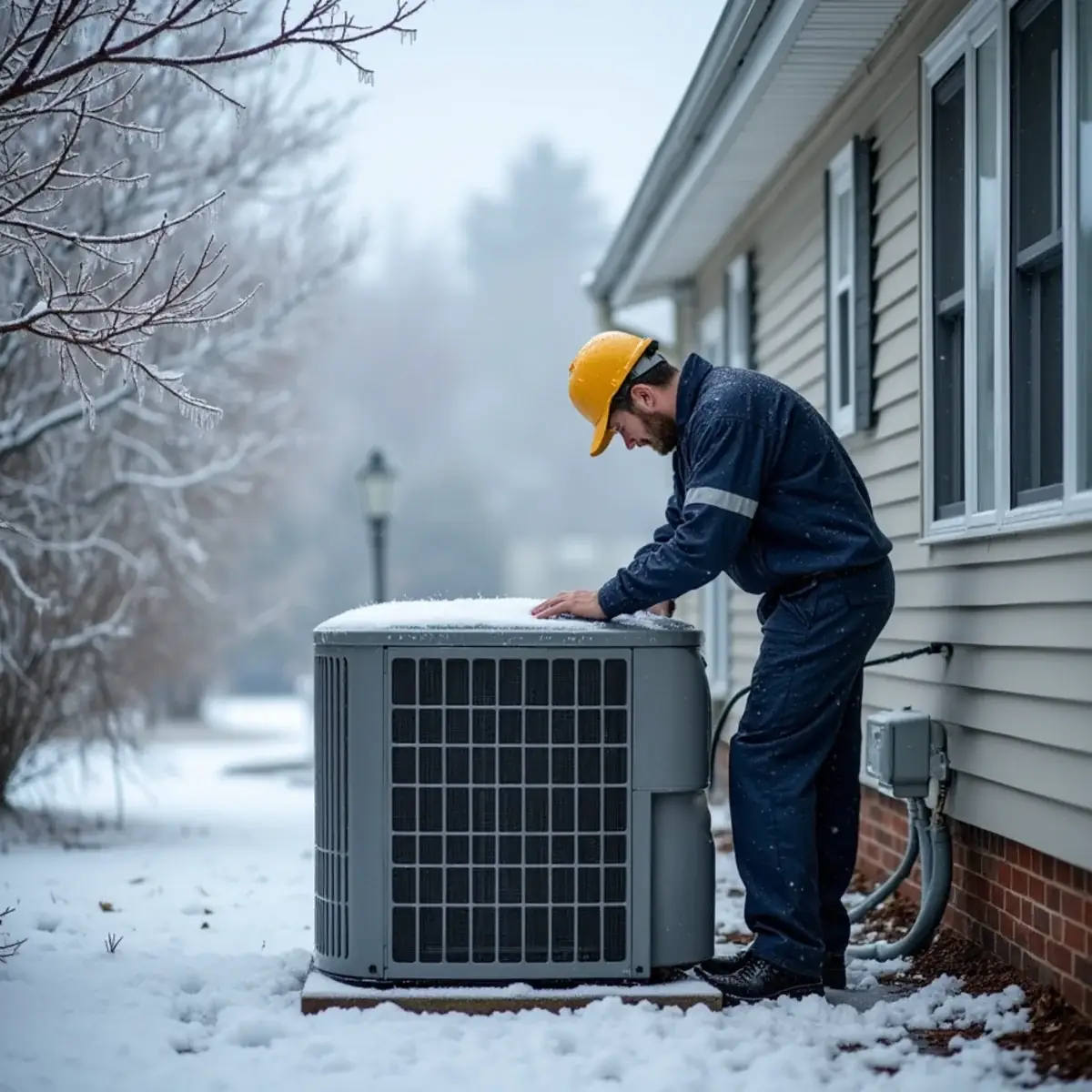
No heat when temperatures drop below freezing
Beyond comfort, a cold house risks frozen pipes. Ice storms here can also knock out power, which complicates things further.
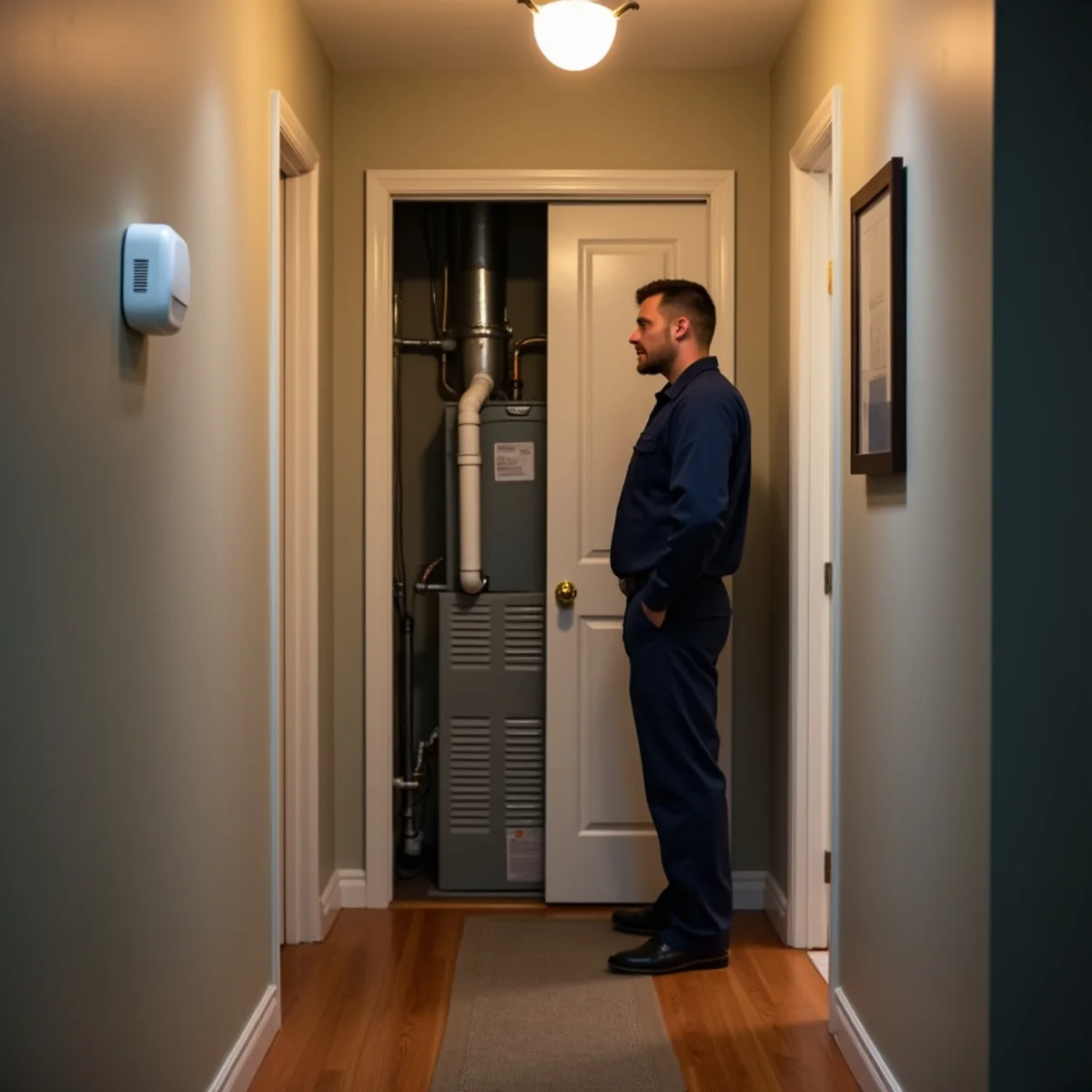
Gas smell near the furnace
Leave the house immediately, don't flip switches and call your gas utility or 911 from outside. Call us once the gas company clears it.
CO alarm going off
Get everyone outside and call 911. Don't run the furnace again until it's been inspected.
Burning smell, smoke or sparking
Shut the system off at the breaker if it's safe to do so. Electrical failures in motors and wiring can cause fires.
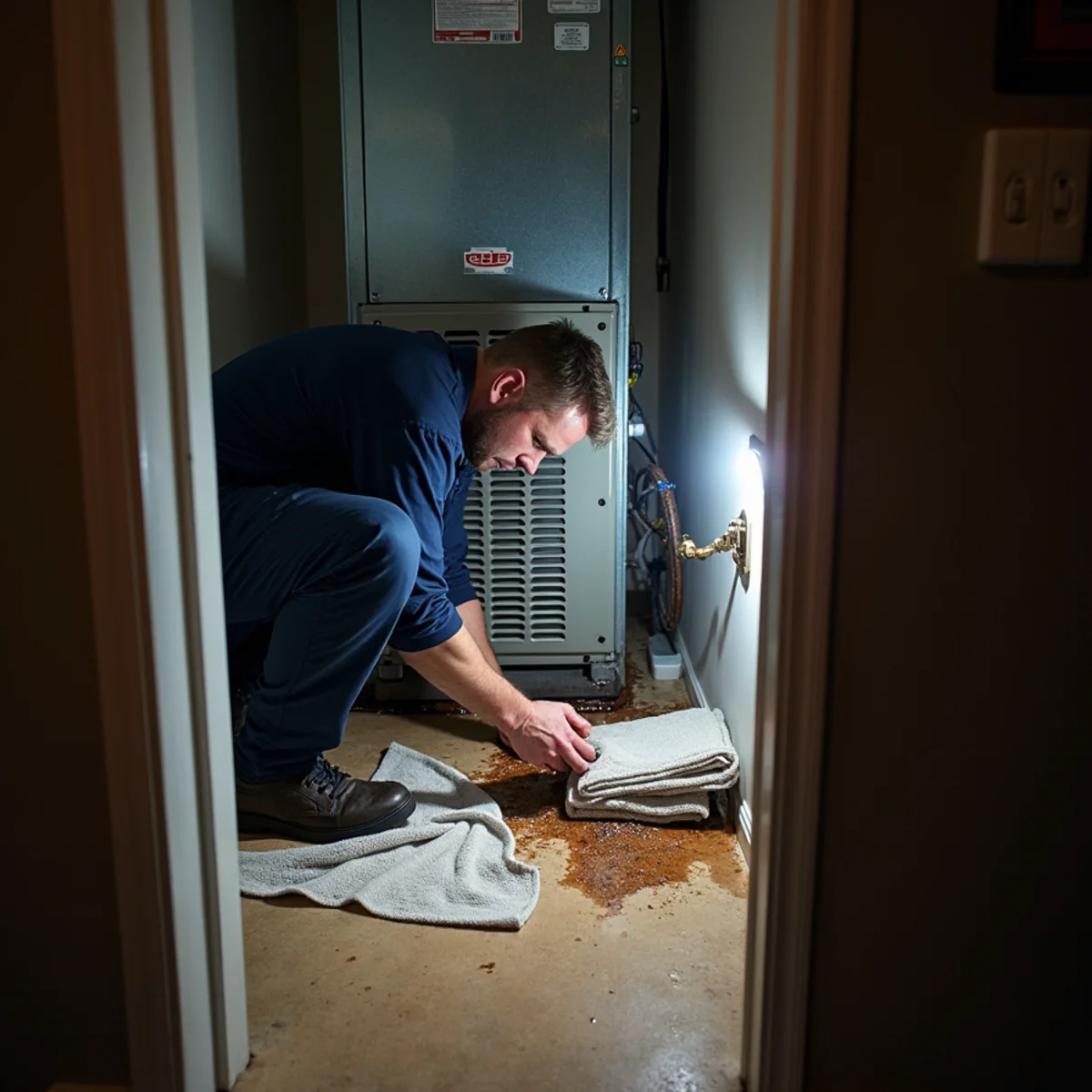
Water pouring from the indoor unit
Turn the system off to stop the flow. Water near electrical components and on ceilings needs attention quickly.
Fast Help When Your System Quits
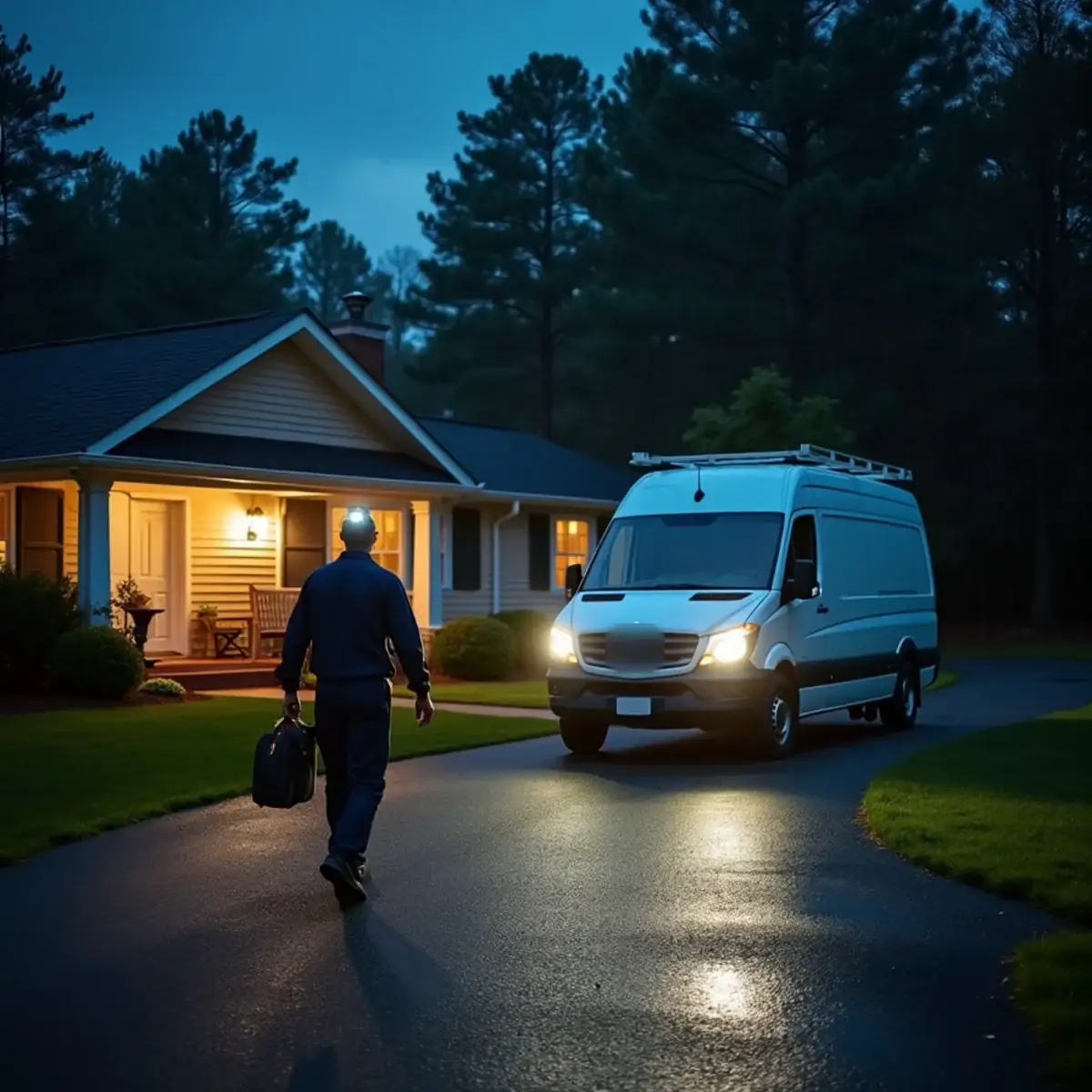
Heating and cooling failures never happen at a convenient time. Systems tend to give out on the hottest afternoon of the year, the night before a holiday or the morning after an ice storm. That's when a small, owner-operated company with a phone that actually gets answered makes a difference.
Our customers regularly mention how quickly Jesse arrives. Some have been cooling again within half an hour of calling. One homeowner texted a photo of the outdoor unit and had help in under an hour. Jesse has come out on a Sunday when it was needed. We can't promise those times on every call, but we offer same-day service on most calls and we treat genuine emergencies as the priority they are.
What We Handle as an Emergency
Cooling failures in summer heat
Burlington summers regularly bring heat index values above 100. A dead air conditioner in those conditions is dangerous for seniors, and many of our emergency calls are for homeowners in their 70s and 80s. Our emergency AC repair service prioritizes these calls. Most summer failures turn out to be capacitors, contactors, fan motors or frozen coils, which we can often fix on the first trip.
Heating failures in cold snaps and ice storms
Piedmont winters are mostly mild, which makes the occasional hard freeze more disruptive. When a furnace won't ignite or a heat pump ices over and quits, our no heat repair service handles gas furnaces, electric air handlers and heat pumps alike. After an ice storm, we also check equipment that was hit by falling limbs or power surges.
Safety hazards
Electrical burning, water leaks near wiring and suspected combustion problems all get prompt attention. We'll make the equipment safe first, then figure out the repair.
What to Do While You Wait
- Check the thermostat is set to the right mode and its batteries aren't dead.
- Look for a tripped breaker or a switched-off furnace service switch. Reset a breaker only once.
- Check the filter. A completely blocked filter can shut a system down or freeze the coil.
- If the outdoor lines or indoor coil are iced over, switch to fan-only to start thawing.
- In heat, move vulnerable family members to the coolest room, close blinds and keep everyone drinking water. In cold, gather in one room and never use an oven or grill for heat.
- Snap a photo of the thermostat, any blinking lights and the unit's data plate to text us.
Emergency Service Across the Area
We respond to urgent calls throughout Burlington and Alamance County, including Gibsonville and Mebane. If your situation is pressing but not dangerous, our same-day HVAC service gets you on the day's schedule.
Safety controls: why your system shut itself off
Plenty of emergency calls aren't a part burning out at random. They're a safety control doing its job, and the fastest honest repair starts with working out which one tripped and why.
The switches that stop a system on purpose
- High-limit switch: opens when the heat exchanger or electric strips get too hot, most often because a clogged filter or failing blower has stopped moving enough air.
- Flame rollout switch: a manual-reset disc near the burners that trips when flame escapes the combustion chamber. It points toward a blocked flue or cracked heat exchanger.
- Float or condensate switch: breaks the thermostat circuit when the drain pan fills, which is why a plugged drain can look exactly like a dead system.
- High-pressure switch: on many outdoor units, it opens when head pressure climbs too high, usually from a stopped condenser fan or a blocked coil.
- Breakers and fuses: protect wiring from overcurrent. A breaker that trips twice is reporting a short or a motor drawing far more current than it should.
Why bypassing a safety is never the fix
Jumping out a limit or rollout switch can bring heat back for a few minutes, and it's a shortcut we won't take. Those switches are the only thing standing between a fault and a cracked heat exchanger, scorched wiring or carbon monoxide in the hallway. On an emergency call, the job is to find what caused the trip, correct it and confirm the switch closes on its own.
Make-safe comes before repair
When we walk into a burning smell, a tripped rollout or water near wiring, the order doesn't change. Power gets killed at the service disconnect, the appliance gas valve gets closed if combustion is in question, and a meter confirms the circuit is truly dead before any diagnosis begins. If the equipment can't run safely tonight, we tag it out of service, explain why in plain terms, and help you pick the safest temporary option for your household.
What's included in our emergency HVAC repair
An emergency call has two jobs: make the house safe, then get heat or cooling back. Here is what every urgent visit covers.
Phone triage before we leave
We ask what the system is doing, what the indoor temperature is and who is home, then walk you through the safe checks. Some problems are solved on that call without a visit at all.
Make-safe first
Burnt wiring, a suspected gas or combustion problem, or water near electrical parts is isolated before anything else. That can mean shutting a breaker, closing a gas valve or tagging equipment out of service.
Stocked-truck repairs
Capacitors, contactors, ignitors, flame sensors, fuses, float switches and common motors ride on the truck, which is why many overnight and weekend failures are repaired on the first trip.
Storm and surge damage check
After an ice storm or summer thunderstorm, we inspect for bent fan blades, crushed coils, burned control boards and blown fuses from power surges before restarting the system.
Temporary relief when a part must be ordered
If the fix needs a specialty part, we look for a safe way to get you partial heat or cooling in the meantime, such as running backup heat strips alone or bypassing a failed thermostat.
A written summary for the follow-up
You get the diagnosis, what was done tonight and what still needs doing, with prices, so the next step is scheduled on your terms rather than decided in the middle of the night.
How Emergency Calls Work
- 1
Call and describe the problem
Tell us what the system is doing and who's in the home. A photo by text helps us bring the right parts.
- 2
Safe triage by phone
We'll walk you through anything safe to check and tell you what to avoid while you wait.
- 3
We call when we're on the way
You'll know when to expect us, not left wondering.
- 4
Diagnose, quote and fix
We find the problem, give you the price in writing and make the repair. If a part has to be ordered, we'll look for a safe temporary way to get you some heat or cooling.
What you can safely do in an emergency vs. what needs a pro
In the first few minutes a few safe actions help, and everything past them belongs to someone with meters and a license.
Safe for you to check
- Find the switch on or beside the furnace that looks like a light switch and make sure it's on, since people flip it by mistake all the time.
- Look through the small window in the furnace door for a blinking LED and count the flashes, because the pattern often names the tripped safety.
- Pull the filter and hold it up to a lamp. If almost no light passes through, replace it, since a choked filter is the classic high-limit trip.
- Check the drain pan or the condensate pump reservoir beside the air handler for standing water that would explain a tripped float switch.
- Jot down when the trouble started, what you heard or smelled, and what the thermostat showed. That timeline shortens the diagnosis once we arrive.
Leave to a licensed tech
- Resetting a flame rollout switchA tripped rollout means flame left the burner area. Resetting it without finding the blocked vent or cracked heat exchanger risks a fire and carbon monoxide exposure.
- Tracing a breaker that keeps trippingRepeated trips point to a shorted motor, grounded compressor or damaged wiring, and finding it means testing inside live 240-volt compartments with the right meters.
- Gas leak checks and relightingLeak testing, pressure checks and putting gas equipment back in service after a leak call fall under the fuel gas code and need licensed hands.
- Diagnosing scorched wiring or boardsHeat damage usually traces back to a loose connection or failing component somewhere else, so replacing only the burned part tends to repeat the failure.
- Drying water inside the air handlerWater in the cabinet can reach the control board and blower motor, and opening panels while power is present risks shock and further damage.
What Affects the Cost of an Emergency Repair
Emergency repairs are priced on the same honest basis as any other call. These are the main variables.
- Time of the call
- If an after-hours rate applies to a night or weekend call, we'll tell you before we head out so you can decide.
- What failed
- Most emergencies turn out to be common parts. Major components cost more.
- Parts on hand
- Capacitors, contactors and ignitors are on the truck. Specialty parts may require a second trip.
- Safety repairs
- Fixing hazards like burnt wiring or venting problems may add scope beyond the original complaint.
- Equipment age
- On very old systems, we'll show you whether a repair is worth doing or a replacement makes more sense.
Even on emergency calls, you get a written price before we do the work. No surprises and no pressure to replace a system that can be repaired.
Red flags during an emergency HVAC call
Late-night pressure is when bad decisions get made, so these are the warning signs worth watching for.
A safety switch jumped instead of repaired
If heat or cooling comes back after someone bypasses a limit, rollout or pressure switch, the fault is still there and the protection is gone. Ask directly whether any safety control was jumpered, and ask what caused the original trip in the first place.
Replacement quoted before any diagnosis
A cold or sweltering house makes a new system sound urgent. A full replacement quote handed over before any meter or gauge readings is a sales pitch, not a diagnosis. Ask what failed, what reading proved it, and what the repair alone would cost.
No price until the work is done
An emergency call still deserves a written price before tools come out, including any after-hours rate. A technician who won't quote the repair up front leaves you with no leverage afterward. Asking for the number first is completely reasonable, even at midnight.
A cracked heat exchanger with no proof
Cracked heat exchangers are real and dangerous, but they're also a well-worn scare tactic. A genuine finding should come with a photo, a camera inspection or combustion readings. If a furnace gets red-tagged, ask to see the evidence, and a second opinion is fair.
Every failure blamed on the storm
After a storm, nearly any breakdown can be pinned on a surge. Sometimes that's accurate. Still, a board or motor should be tested before it's replaced, and any surge claim you plan to file should rest on what was actually found and written down.
Why choose Littlejohn HVAC Solutions for emergency HVAC repair
Open 24 hours, 7 days a week
Nights, weekends and holidays included. You reach the owner, not an answering service that takes a message and calls back in the morning, and he tells you straight whether it can wait.
Response customers write about
Reviewers describe cooling restored within half an hour, and a senior who texted a photo of her unit and had Jesse there in under an hour. Timing varies, but speed is a habit here.
ASL proficient
Jesse is proficient in American Sign Language, so deaf and hard-of-hearing homeowners can explain an emergency, ask questions and understand the repair options without waiting on an interpreter.
Pay the way that works tonight
We accept cash, Venmo, Cash App and Zelle, and financing options are available if an emergency repair turns into a system replacement you weren't planning for this year.
Emergency Repair near you
We answer emergency calls throughout a roughly 50-mile radius of Burlington. Alamance County towns like Graham and Elon are the quickest to reach. We also respond to urgent heating and cooling failures in Greensboro, in Hillsborough to the east, and up in Reidsville in Rockingham County. When you call, we tell you honestly how long it will take to get to you, so you can decide what to do in the meantime.
We provide emergency HVAC repair throughout Burlington and Alamance County, including: