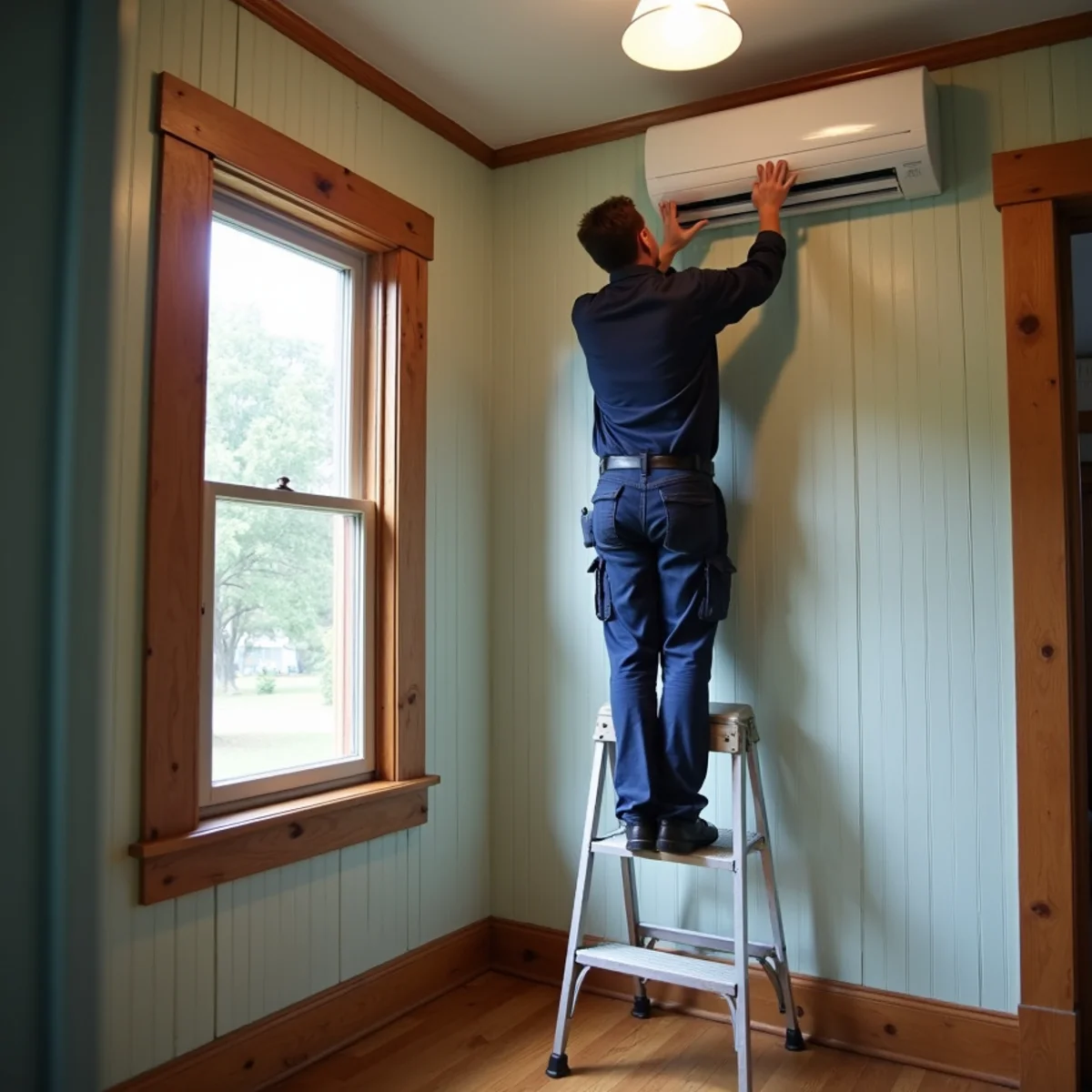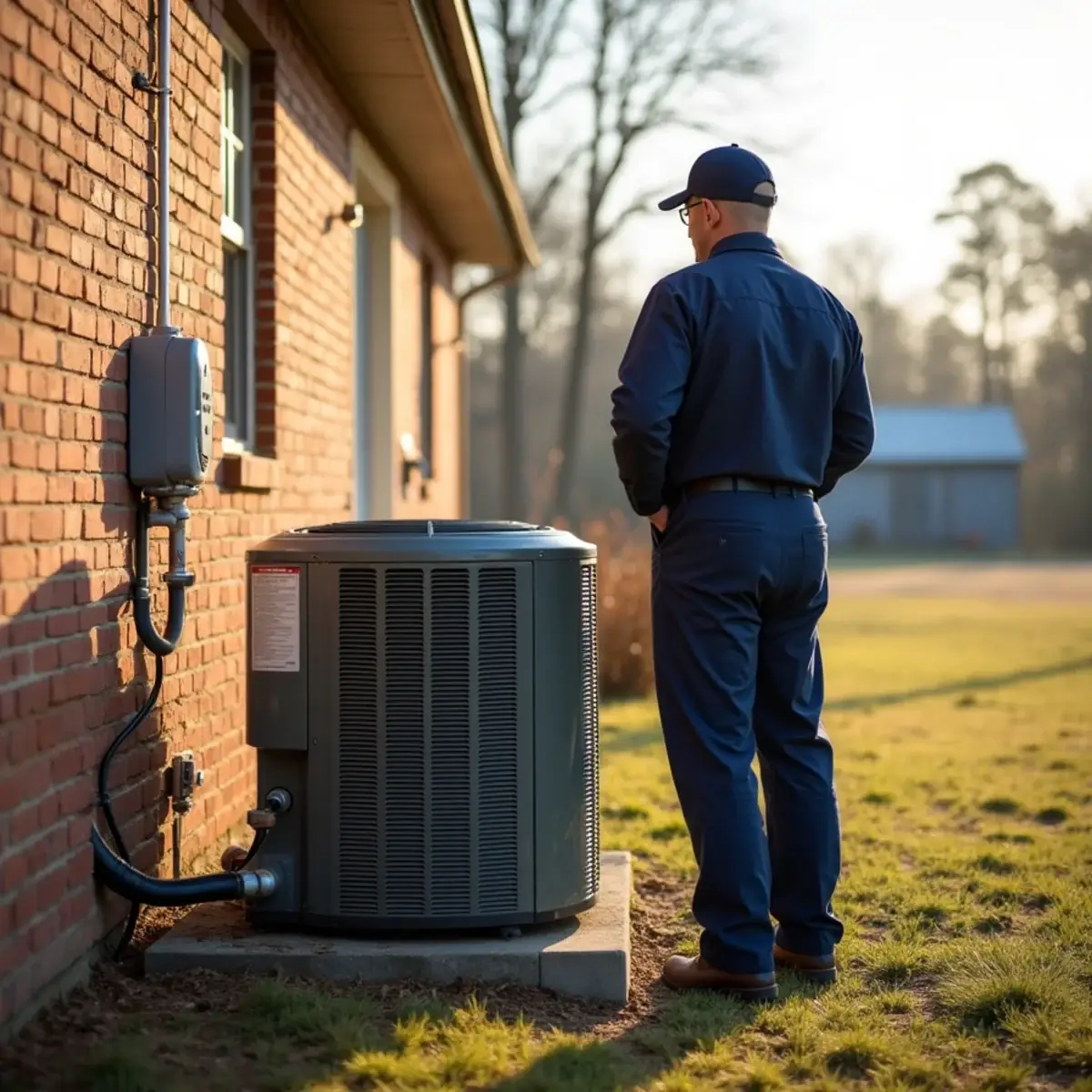

A ductless mini split in Burlington, NC is a wall- or ceiling-mounted heat pump that heats and cools individual rooms without ductwork, ideal for additions, bonus rooms, garages and older homes. We size each zone, install the lines and electrical cleanly, and give you a free written estimate before anything is drilled.
When a Mini-Split Makes Sense
Ductless isn't the answer for every home. These are the situations where it usually beats extending ductwork or adding window units.
A room the main system never reaches
Bonus rooms over garages and back bedrooms at the end of a long duct run often sit 5 to 10 degrees off from the rest of the house.
An addition or converted space
Sunrooms, garage conversions, and in-law suites usually weren't part of the original load calculation, and tapping into existing ducts steals air from other rooms.
An older home with no ductwork
Houses heated by oil, electric baseboard, or wall furnaces can go ductless without cutting into plaster walls or cramped crawlspaces.
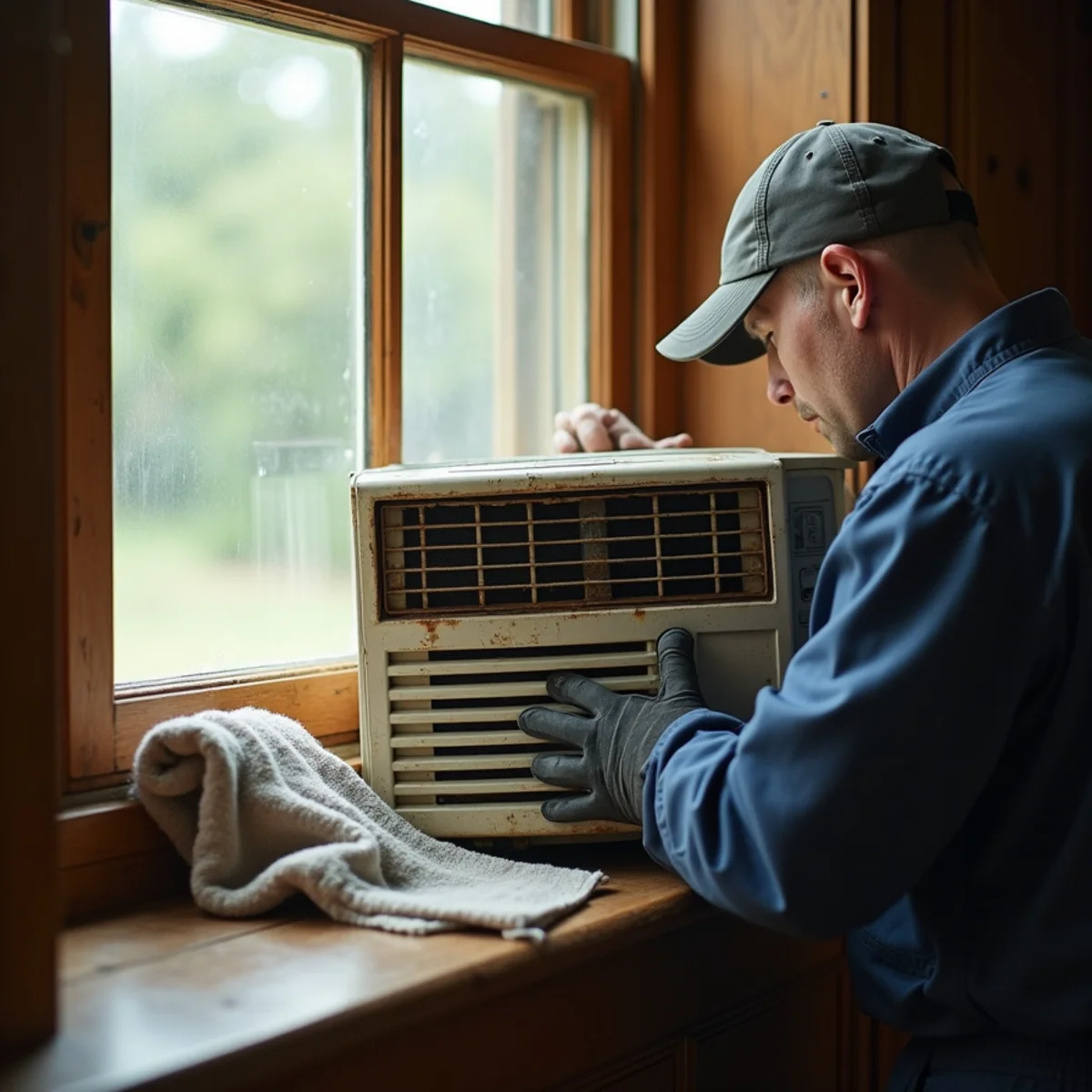
Rattling window units
Window units block light, leak air, and pull outdoor humidity in around their seals. A mini-split is quieter and far more efficient.
A workshop or detached garage
A single-zone ductless system handles a shop or garage apartment without running utilities from the main house's HVAC.
How Ductless Systems Work
A mini-split is a heat pump without the ductwork. An outdoor compressor connects to one or more indoor heads through a small bundle of refrigerant lines, a condensate drain, and a control cable, all passing through a single hole about three inches across. Each head has its own blower and its own remote or thermostat, so every room runs independently.
Because the compressor is inverter-driven, it ramps up and down instead of cycling on and off. That steadier operation is what makes these systems efficient and quiet, and it's why they hold a room within a degree or so of the setting.
Single-zone vs. multi-zone
A single-zone system pairs one outdoor unit with one indoor head, the right fit for a bonus room, garage, or addition. A multi-zone system connects several heads to one outdoor unit, useful for heating and cooling a whole older home room by room. Multi-zone setups save exterior space, but a failure in the outdoor unit affects every room at once, which is worth considering when you plan.
Indoor head styles
- Wall-mounted heads are the most common and least expensive. They mount high on an exterior wall.
- Ceiling cassettes sit flush in the ceiling and distribute air in four directions, a cleaner look for living spaces.
- Slim ducted units hide in a closet or attic and serve two or three nearby rooms through short duct runs.
- Floor consoles fit under windows or in rooms with sloped ceilings where a wall head won't work.
Why Ductless Fits So Many Burlington Homes
Burlington and the old mill towns around it are full of houses built before central air was common. Mill-village cottages in Glen Raven and along the Haw River often have shallow crawlspaces, little attic room, and plaster walls that don't welcome new ductwork. Mini-splits let those homes get modern heating and cooling without major demolition.
We install them in the restored lofts and farmhouses around Saxapahaw, older homes in Haw River, and bungalows near downtown Graham. For homes where a full ducted system is still the better route, we'll say so and quote a new central HVAC installation instead.
Getting the Install Right
Most mini-split complaints trace back to installation, not equipment. These are the details we don't skip:
- Room-by-room sizing. An oversized head cools the room too fast and shuts down before it removes humidity, which leaves a clammy space in our muggy summers.
- Head placement. The head should blow across the room, not straight at a bed or couch, and it needs clearance for air to return.
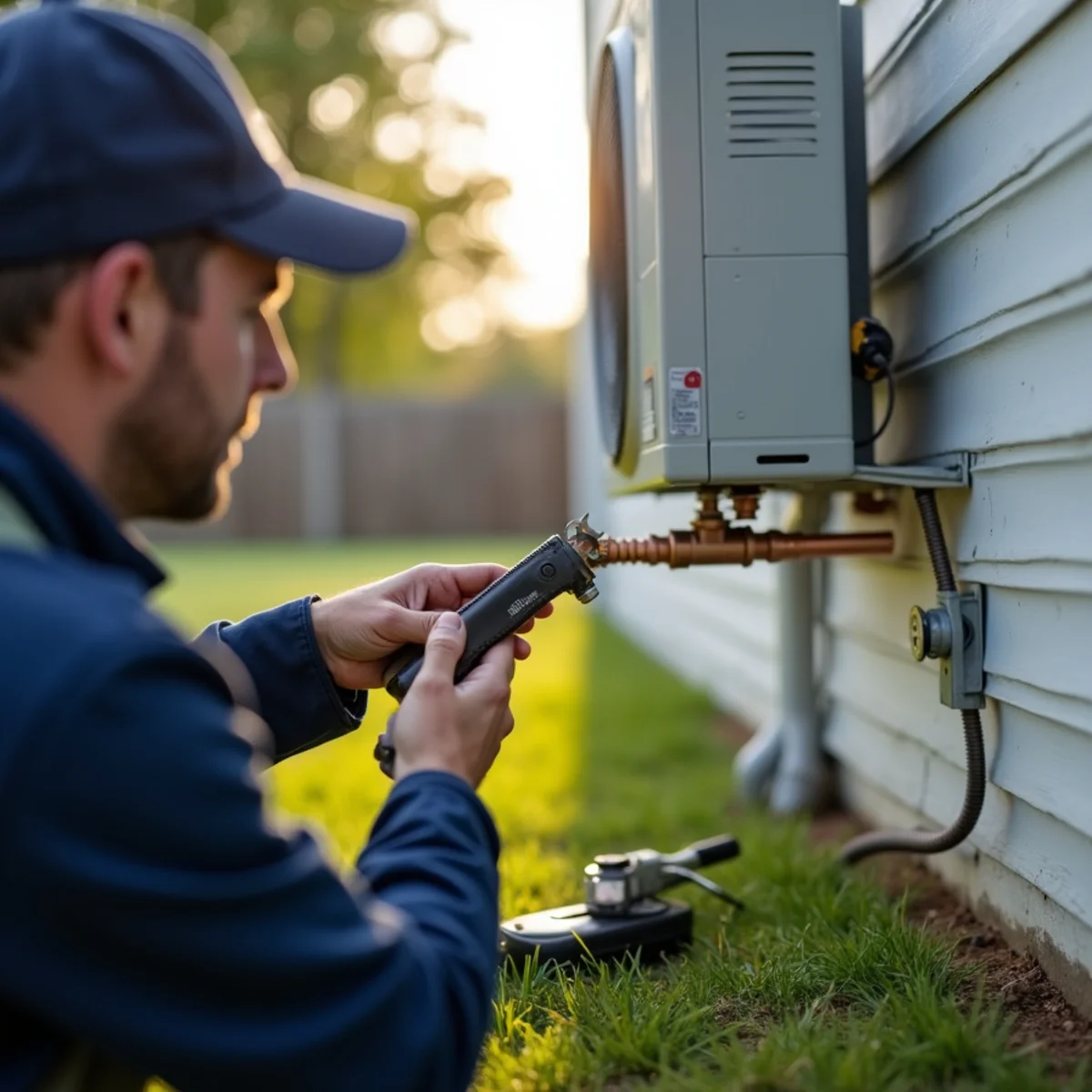
- Line set work. Flare connections are torqued to spec, and the system is pressure-tested with nitrogen and pulled into a deep vacuum before refrigerant is released.
- Condensate drainage. Gravity drains are preferred. When a head sits on an interior wall, a quiet condensate pump is added.
- Outdoor unit mounting. Pads or wall brackets keep the unit above standing water and clear of snow or ice sliding off the roof.
The federal 25C credit that once covered many ductless heat pumps ended for systems installed after 2025, so check with your utility about current rebates instead. For repairs to an existing ductless system, see our heat pump repair service.
Inside an inverter mini-split: the parts that do the thinking
A ductless system is mostly electronics wrapped around a refrigerant circuit. When one misbehaves, the fix depends on reading what the controls are reporting, not on guessing from the symptom.
Inverter board and communication wiring
The outdoor unit converts household AC power to DC, then feeds the compressor a variable frequency so it can speed up or slow down. The indoor head and outdoor unit talk constantly over a communication wire. A lot of blinking-light error codes blamed on a bad board turn out to be a loose terminal, a nicked wire, or wiring that shares voltage with the signal in a way the manufacturer doesn't allow. We check that wiring and the supply voltage before anyone orders a board.
Thermistors and the electronic expansion valve
Small temperature sensors clipped to the coils, the discharge line and the room air tell the board how to set the electronic expansion valve and the compressor speed. A sensor that drifts out of range can make a perfectly charged system act starved for refrigerant. We measure each sensor's resistance and compare it to the manufacturer's temperature chart, which separates a cheap sensor swap from real refrigerant work.
Winter defrost and ice in the base pan
In damp Piedmont weather in the 30s, the outdoor coil frosts over and the system periodically reverses to melt it. During defrost the indoor fan pauses and you may see steam rising outside, both normal. The trouble comes when meltwater refreezes in the base pan during a freezing-rain stretch. Ice builds under the coil, blocks drainage and can reach the fan blade. Units without a base pan heater, or mounted too low, are the ones we see struggle.
What's included in our ductless mini-split installation
The equipment matters less than the work around it. These are the deliverables built into every ductless quote we write.
Zone-by-zone load numbers on paper
Your estimate lists the calculated heating and cooling load for each room next to the capacity of the head we're proposing, so you can see why a 9,000 BTU unit fits the bedroom and not the sunroom.
Dedicated circuit and outdoor disconnect
We run a new circuit from the panel, sized to the outdoor unit's nameplate, and mount a weatherproof disconnect within sight of the condenser so it can be safely serviced later.
Vacuum decay test before refrigerant release
After the nitrogen pressure test, we pull the lines down to a deep vacuum measured with a micron gauge, then isolate the pump and watch that the reading holds. A rising number means moisture or a leak, found before it costs you.
Sealed wall sleeve and exterior penetration
Each line-set hole gets a sleeve, sealant and a trim cover sloped to shed water outward, so wind-driven Piedmont rain and insects don't follow the lines into your wall.
Level mounting with vibration isolation
The outdoor unit sits level on a pad or bracket with rubber isolators, which keeps compressor hum out of the framing and lets defrost water drain freely in winter.
Commissioning readings and controls setup
We record supply-air temperatures and system pressures in both heat and cool, pair the remote or app, and set the heads' vane angles so air sweeps across the room instead of at the couch.
Registration and records
We give you the model and serial numbers of every component and help you register the equipment with the manufacturer, which is often required for full coverage.
Our Ductless Installation Process
- 1
Walk-through and room loads
We measure each room, note windows, insulation, and sun exposure, and calculate the load for every zone.
- 2
Plan head and line locations
We show you exactly where the heads, line hide covers, and outdoor unit will go before we drill anything.
- 3
Written proposal
Equipment, electrical work, line lengths, condensate method, and any permits are itemized in writing.
- 4
Installation
Most single-zone systems go in within a day. We run a dedicated circuit, mount the equipment, and seal every wall penetration.
- 5
Startup and walkthrough
We test heating and cooling in every zone, check refrigerant pressures, and show you how to use the remote and clean the filters.
Mini-split checks you can do vs. repairs for a licensed tech
Ductless systems are friendly to a few owner checks, but the electronics and refrigerant side are not.
Safe for you to check
- Write down the blinking light pattern or error code on the indoor head before turning anything off, since a power cycle often clears the code we need to see.
- Confirm the remote is set to the mode you want, since dry, fan and auto modes behave differently and are easy to bump by accident.
- Walk outside while it's cooling and confirm the condensate line is dripping at its outlet; no water on a muggy day can mean a clogged drain.
- Keep leaves, mulch, shrubs and drifted snow clear of the outdoor unit so air moves freely through the coil and defrost water can drain.
Leave to a licensed tech
- Inverter board or sensor diagnosisInverter boards store high DC voltage in capacitors even after the breaker is off. Testing them safely takes the right meter, discharge procedure and the manufacturer's service data.
- Refrigerant leak or flare repairHandling refrigerant requires EPA Section 608 certification, and repairs must be followed by a pressure test, evacuation and a weighed-in charge to match the line length.
- Deep cleaning of the blower wheelThe squirrel-cage wheel sits beside the circuit board. Washing it takes drain bags, low-pressure spray and care to keep water off the electronics and motor.
- Adding a head to a multi-zone systemEach outdoor unit has capacity limits and port sizes, and some head combinations aren't approved. A mismatched add-on can short-cycle or trip error codes all season.
What Affects Mini-Split Installation Cost
Ductless projects vary more than most people expect. These factors drive the final number.
- Number of zones
- Each additional indoor head adds equipment, line sets, and labor.
- Head style
- Wall-mounted heads cost the least. Ceiling cassettes and slim ducted units need more installation work.
- Line set length and route
- Long runs through finished walls or across a house take more time than a short run straight through an exterior wall.
- Electrical capacity
- A dedicated circuit is required. Older homes may need panel work to support it.
- Cold-climate equipment
- Models rated for strong heating output in the teens cost more but may eliminate the need for backup heat.
- Condensate method
- Gravity drains are simple. Interior walls may require a condensate pump.
You'll receive a written quote before any work begins, and financing options are available for multi-zone systems.
Red flags in ductless mini-split bids and installs
Most mini-split disappointments are baked in on install day. These are the details to ask about before you sign.
No mention of line length or added charge
Outdoor units ship with enough refrigerant for a set line length. Longer runs need a measured amount added. If a bid never states line length, or the installer can't say how the charge was adjusted, the system may run starved from day one.
Condensate routed wherever it's convenient
Drain lines dumped against a foundation, into a crawlspace, or run uphill cause stains, odors and damp framing. Ask where every head's drain ends and whether a pump is needed. A clear answer means the installer actually planned it.
Circuit board replaced on the first code
Error codes point to a category, not a guaranteed part. Before paying for an expensive board, ask whether the tech checked communication wiring, supply voltage and sensor resistance. A board replaced without those checks sometimes fails with the same code.
Outdoor unit set on the ground
A condenser sitting directly on soil or low mulch collects splashback, leaves and winter ice in the base pan. Pads, risers or wall brackets that lift it clear matter more here than on a conventional heat pump.
Mixed-brand or unlisted head combinations
Heads and outdoor units must be a combination the manufacturer lists. Mixing series or brands to use leftover stock can cause communication faults and may void coverage. Ask to see the model numbers for every piece before installation starts.
Why choose Littlejohn HVAC Solutions for ductless mini-splits
Ducted and ductless, compared honestly
We do complete duct installation as well as mini-splits, so there's no incentive to push either one. If extending a duct run serves a room better, you'll see that option priced next to a ductless head.
No extra zones you don't need
Reviewers call out fair pricing and no upselling. We'd rather quote two well-placed heads than five small ones that short-cycle and never dry out a room.
Clean work in finished homes
Customers mention jobs finished sooner than quoted and a complete cleanup afterward. Drop cloths go down, drill dust is vacuumed and every penetration is sealed before we leave.
Flexible ways to pay
Free written estimates, financing for multi-zone projects, and payment by cash, Venmo, Cash App or Zelle make it easier to add comfort one room at a time.
Ductless Mini-Splits near you
Ductless work follows the housing. Around Burlington that means mill cottages in Glen Raven, rooms over garages in newer Mebane subdivisions, older rentals and additions near Elon, farmhouses and workshops around Alamance, and historic homes in Hillsborough and Efland where cutting into plaster for ducts isn't worth it. We quote installs anywhere inside our roughly 50-mile radius and call ahead on install day.
We provide ductless mini-split installation throughout Burlington and Alamance County, including: