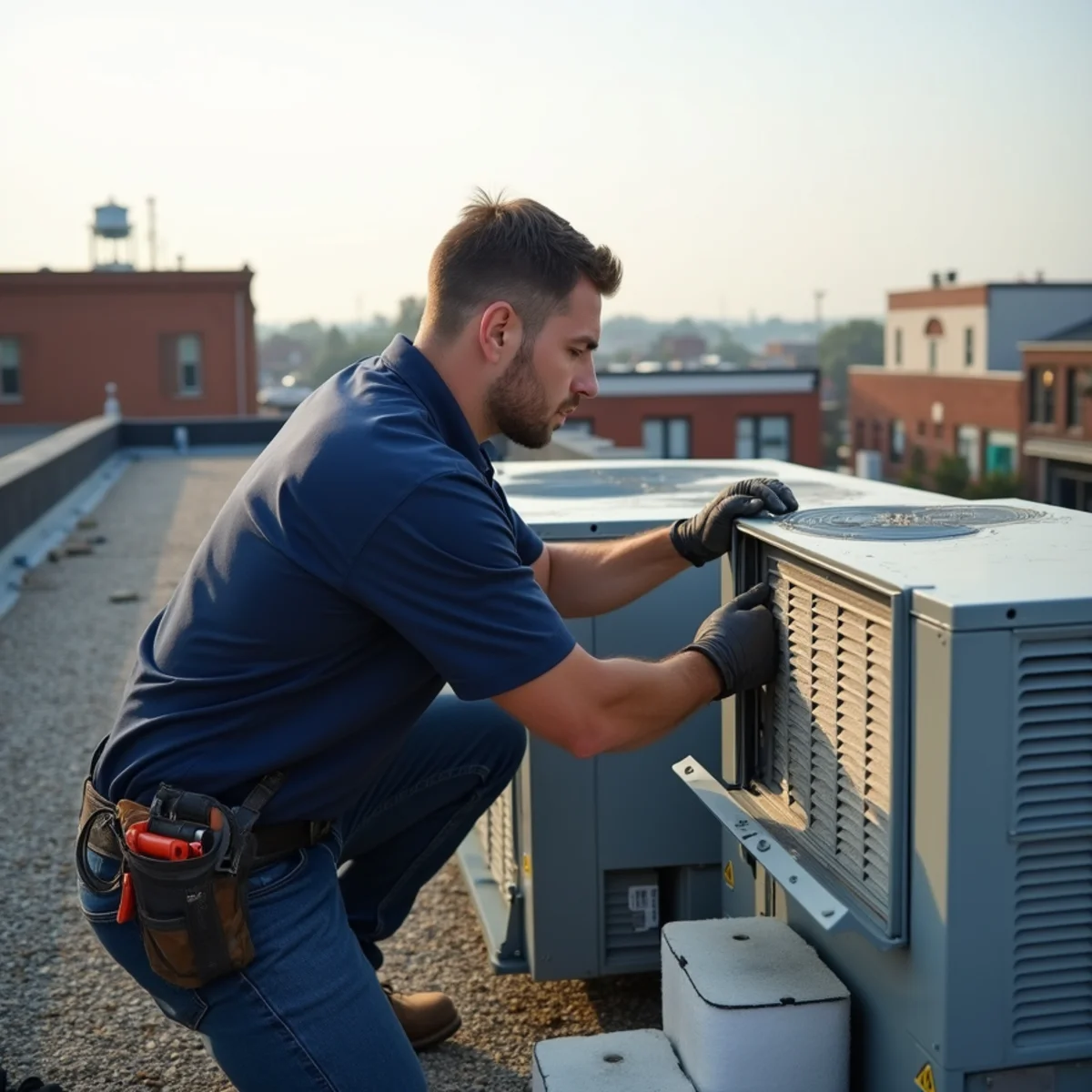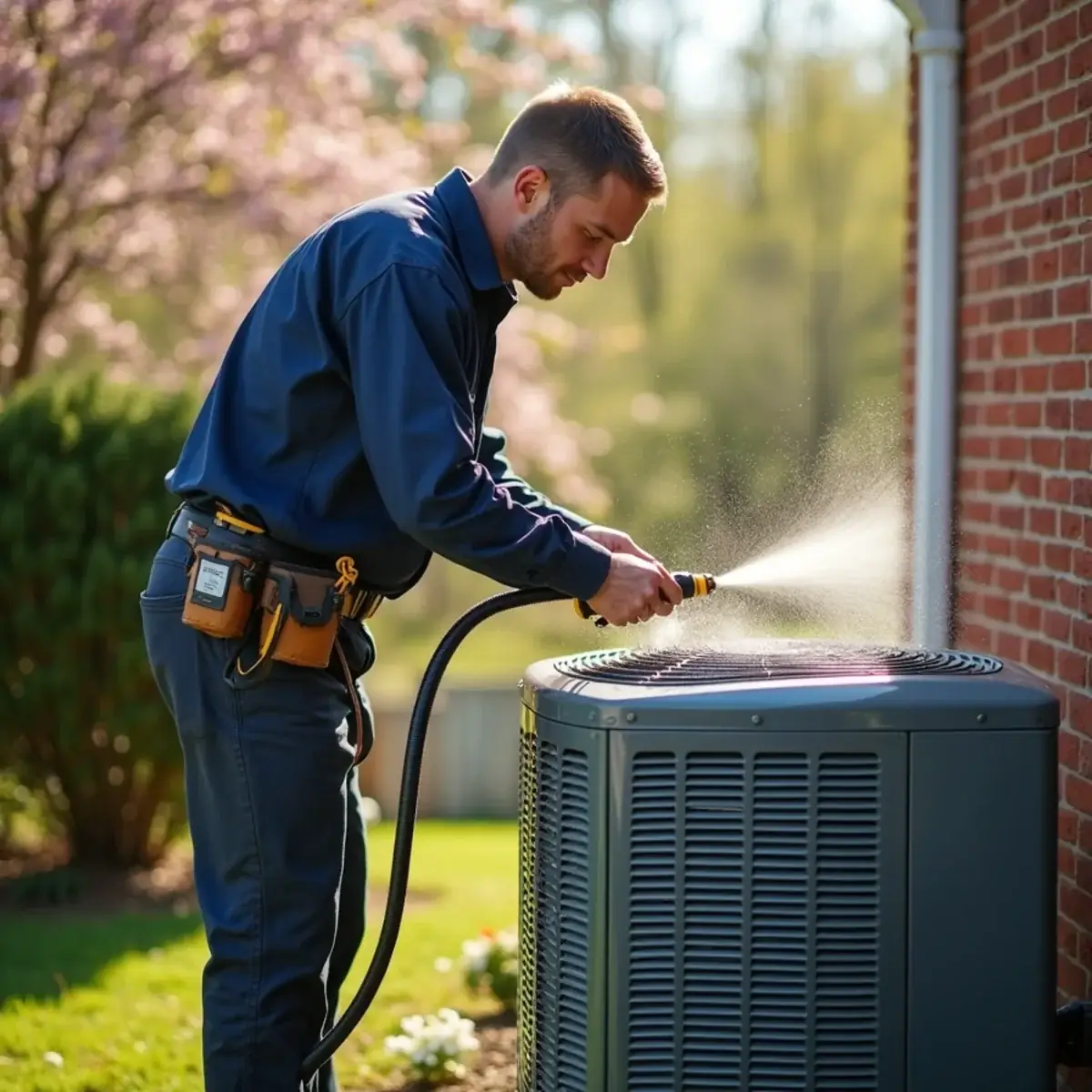
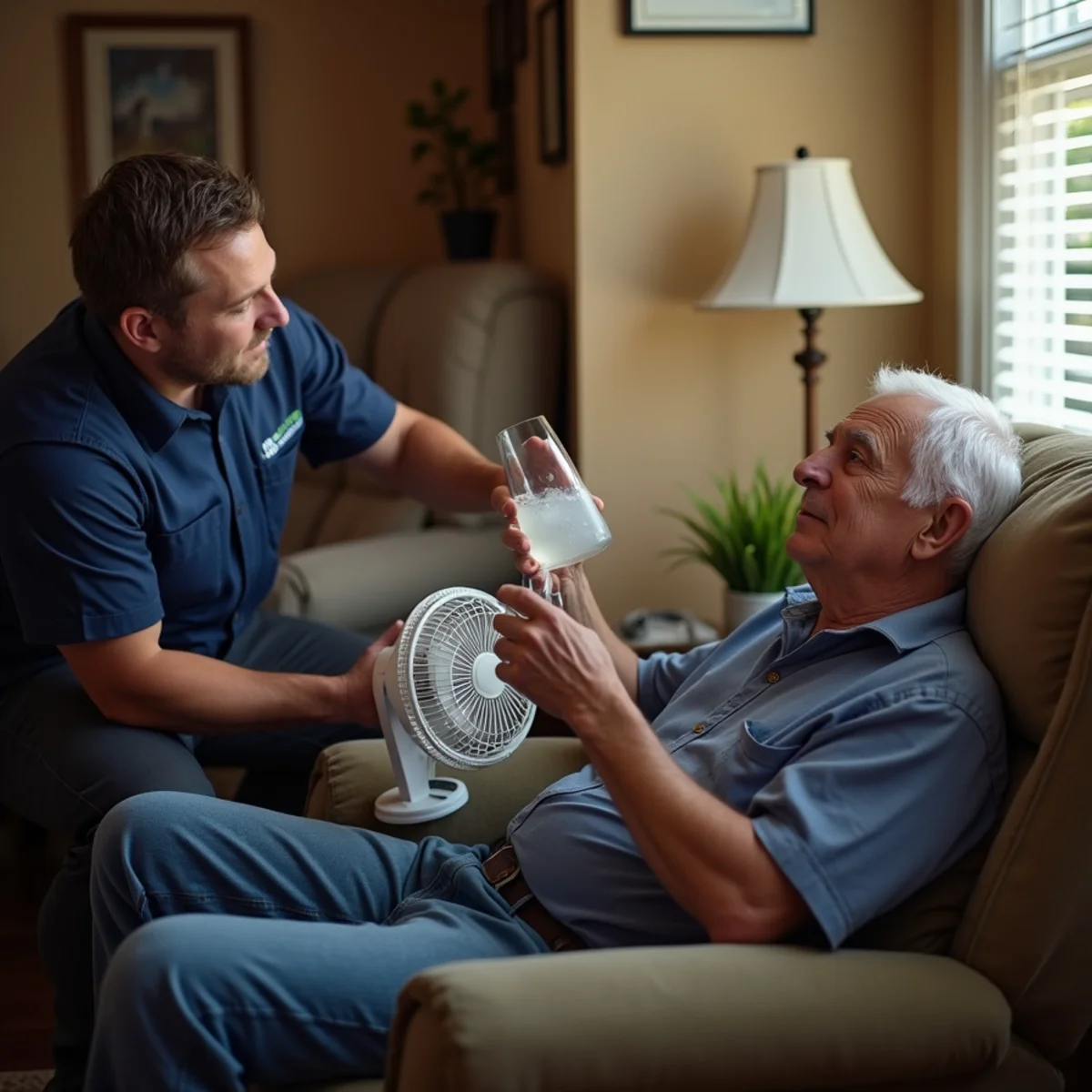
Short answer: When the AC fails and an older adult is home in Alamance County summer heat, treat it as same-day urgent. Check the person first for heat illness signs, get them somewhere cool if the house is already warm, try the thermostat, breaker and filter, and tell your HVAC company a senior lives there so the call is prioritized.
Some of the calls we care most about come from people in their 70s and 80s, or from their grown kids calling from another town. The AC quit, it's 95 outside, and Mom says she's fine. She may not be.
Older adults are more vulnerable to heat for a few well-documented reasons. The body's ability to sense heat and thirst dulls with age. Many common medications, including some blood pressure drugs and diuretics, affect how the body handles heat and fluids. And a lot of seniors in Alamance County live in older homes with less insulation, where the inside temperature climbs quickly once cooling stops.
Know the Warning Signs of Heat Illness
Heat illness can come on gradually, and older adults often don't recognize it in themselves. Family, neighbors, and caregivers need to know what to look for.
| Condition | Signs to watch for | What to do |
|---|---|---|
| Heat exhaustion | Heavy sweating, cool clammy skin, weakness, dizziness, headache, nausea, muscle cramps, fast weak pulse | Move to a cool place, loosen clothing, apply cool damp cloths, give sips of water. Get medical help if symptoms worsen or last more than an hour. |
| Heat stroke | Very high body temperature, hot red skin (dry or damp), confusion, slurred speech, fast strong pulse, fainting | Call 911 right away. Move the person somewhere cooler and cool them with wet cloths while waiting. |
Humidity makes all of this worse. On a muggy Piedmont afternoon, sweat doesn't evaporate well, so the body loses its main way of cooling down. A house that reads 86 degrees with sticky, damp air can be harder on an older person than a drier house a few degrees warmer.
Confusion is the sign families miss most. If a parent who's normally sharp seems foggy, irritable, or out of sorts on a hot day, treat that as a warning and get them cooled down.
A Checklist for the First Hour Without AC
- Check the person first. Ask how they feel, look for the signs above, and make sure they're drinking water.
- Check the thermostat. Confirm it's set to Cool with a set point below room temperature. Many older thermostats have small switches that get bumped.
- Check the breaker once. If the AC breaker has tripped, reset it one time. If it trips again, leave it off.
- Look at the filter. A badly clogged filter can freeze the coil and stop cooling.
- Call for service. Tell the dispatcher an older adult lives in the home so the call can be prioritized.
- Decide on a backup plan. If the house is already hot and repair may take hours, get the person somewhere with working air conditioning.
What Not to Rely On
- A fan alone. Fans help when it's warm, but they don't cool the air. When indoor temperatures get into the high 90s, a fan can't prevent heat illness.
- A cold shower as the only plan. It helps for a while, but the body heats back up in a hot house.
- The person's own sense of comfort. Many older adults say they feel fine right up until they don't.
- Waiting until evening. Houses often stay hot well after sunset, especially upstairs and in rooms with west-facing windows.
Setting Up a Safer Summer Ahead of Time
The best time to plan for an AC failure is before one happens. A few steps in May can prevent a crisis in July.
For the House
- Schedule a spring tune-up so weak capacitors, dirty coils, and clogged drains get caught before peak season.
- Replace the filter every one to three months, more often during pollen season or with pets.
- Put a simple digital thermometer in the main living area so family can ask for an actual indoor reading on the phone.
- Keep blinds or curtains on sunny windows that are easy for an older adult to open and close.
For the Family
- Set up a daily check-in call or visit during heat advisories.
- Make a list of cooler places the person can go: a family member's house, a senior center, a library, or a shopping center.
- Keep a list of their medications handy and ask their doctor whether any affect heat tolerance.
- Save our number where both the senior and a family member can find it.
How We Handle Calls for Older Customers
We've helped plenty of customers in their 70s and 80s through summer breakdowns, and a few things matter to them. We call ahead when we're on the way, so no one is left wondering who's at the door. Jesse explains what he found in plain language and walks through the options, and there's no pressure to replace a system that can be repaired. If a family member wants to be on the phone during the explanation, that's welcome.
We serve homeowners across Alamance County, including older neighborhoods in Haw River, where many homes still have original ductwork and aging equipment. Same-day service is available on most calls.
Heat, older adults and a broken AC: myths vs. facts
Myth: Drinking plenty of water is enough to prevent heat illness.
Fact: Fluids replace what sweat takes out, but the body still has to shed heat, and in a humid, hot house sweat barely evaporates. Water alone can't bring core temperature down. Some older adults are also on fluid limits for heart or kidney conditions, so pushing extra water isn't always safe. Cooling the person, or the room, is what matters.
Myth: Opening the windows at night cools an old house down enough.
Fact: On muggy Piedmont summer nights, outdoor air often stays warm and loaded with moisture. Opening windows trades a little heat for a lot of humidity, which soaks into carpet, bedding and plaster and makes the next afternoon feel worse. Night air helps when a dry cool front passes through, but during a heat wave it's rarely a substitute for working cooling.
Myth: Heat illness only happens on the single hottest day of summer.
Fact: Risk builds across consecutive hot days, especially when the house never cools off overnight. The body gets no recovery time, fluid and salt balance slips, and by the third day of a heat wave an older adult can be in trouble at temperatures that seemed manageable on day one. Watch the whole stretch, not just the peak.
Myth: A new AC system means a parent doesn't need seasonal checkups.
Fact: New equipment still clogs filters and condensate drains, and a float switch trip shuts cooling off just as completely as a failed compressor. Many older adults also can't reach a filter slot in a closet or attic. A spring visit handles those chores, and it puts a second set of eyes in the home before the first heat advisory.
Humidity, older homes and seniors in Haw River and Alamance County
Many older residents in Alamance County live in houses that predate central air: mill-village frame homes along the Haw River, postwar brick ranches in Burlington and Graham, and farmhouses in the rural south of the county. Those homes heat up faster once cooling stops, and the humidity lingers.
Haw River shows it most clearly. Mill houses near the river sit on piers over damp soil, and the ducts under them sweat, lose their insulation wrap and sometimes come apart. A home can read 74 degrees and still feel sticky, which is hard on an older body that depends on sweat evaporating. For families checking on a parent there:
- Look at a humidity reading, not just temperature; indoor humidity staying above 60 percent is worth a call
- Ask about musty smells when the system starts, a frequent sign of wet crawlspace ducts
- Consider dehumidification and indoor air quality options if the house stays clammy after repairs
We reach Haw River homes along US 70 in about 15 minutes, and most addresses across Alamance County within half an hour.
From the field: small setups that prevent big scares
A lot of summer calls for older customers turn out to be the thermostat, not the air conditioner. Tiny buttons, a mode switch bumped to Heat or Off, or a fan left on On so the house feels muggy. Swapping to a large-display thermostat, or one that sends family a text when the indoor temperature climbs, is one of the cheapest safety upgrades we install.
Another pattern: seniors on fixed incomes turning the system off during the day to save money, then trying to cool a 90-degree house at 5 p.m. A steady set point in the upper 70s usually costs less than people fear, and it keeps the house from getting dangerous in the first place.
A backup plan worth having
- One cool room: a window unit in the bedroom is inexpensive insurance while you wait for a repair.
- A permanent version: a single-zone ductless mini-split for a bedroom keeps one room cool even if the central system fails.
- Heat from medical equipment: oxygen concentrators and similar devices add heat to a small room. Tell us if they're running so we can factor them in.
- State help: NCDHHS runs Operation Fan Heat Relief each summer through local aging agencies. Call your county's aging services office to ask about eligibility for fans or cooling units.
Mention mobility or hearing needs when you call. Jesse is ASL proficient, and knowing ahead of time helps him explain the repair in the way that works best for your parent.
Don't Wait When Someone Vulnerable Is Home
If an older adult is in a house without cooling on a hot day, that's a same-day problem. Check on them first, get them somewhere cool if needed, and request same-day HVAC service so we can get the air running again. For breakdowns in dangerous heat, our emergency AC repair service prioritizes these calls, and a yearly maintenance visit is the best way to keep it from happening next summer.
Frequently asked questions
At what indoor temperature is it dangerous for an elderly person?
There's no single cutoff, since health, medications, and humidity all play a role. As a general rule, once indoor temperatures climb into the upper 80s and keep rising, older adults face increasing risk. If the house is that warm and the AC isn't working, move them somewhere cooler while you arrange repairs.
My parent lives alone. How can I tell if their AC is working from far away?
A smart thermostat or a Wi-Fi temperature sensor can send you the indoor temperature and alert you when it climbs. Simpler options work too: ask a neighbor to check in, or have your parent read you the number on a digital thermometer during a daily call.
Can I be on the phone while the technician explains the repair to my parent?
Yes, and we encourage it. Many families prefer to hear the diagnosis and options directly. We'll explain what failed, what the repair involves, and the written price before any work starts, so everyone can make the decision together.
Local service for this topic

Written by Littlejohn HVAC Solutions, LLC. Owner Jesse Littlejohn is a licensed HVAC professional serving Burlington and Alamance County. About us