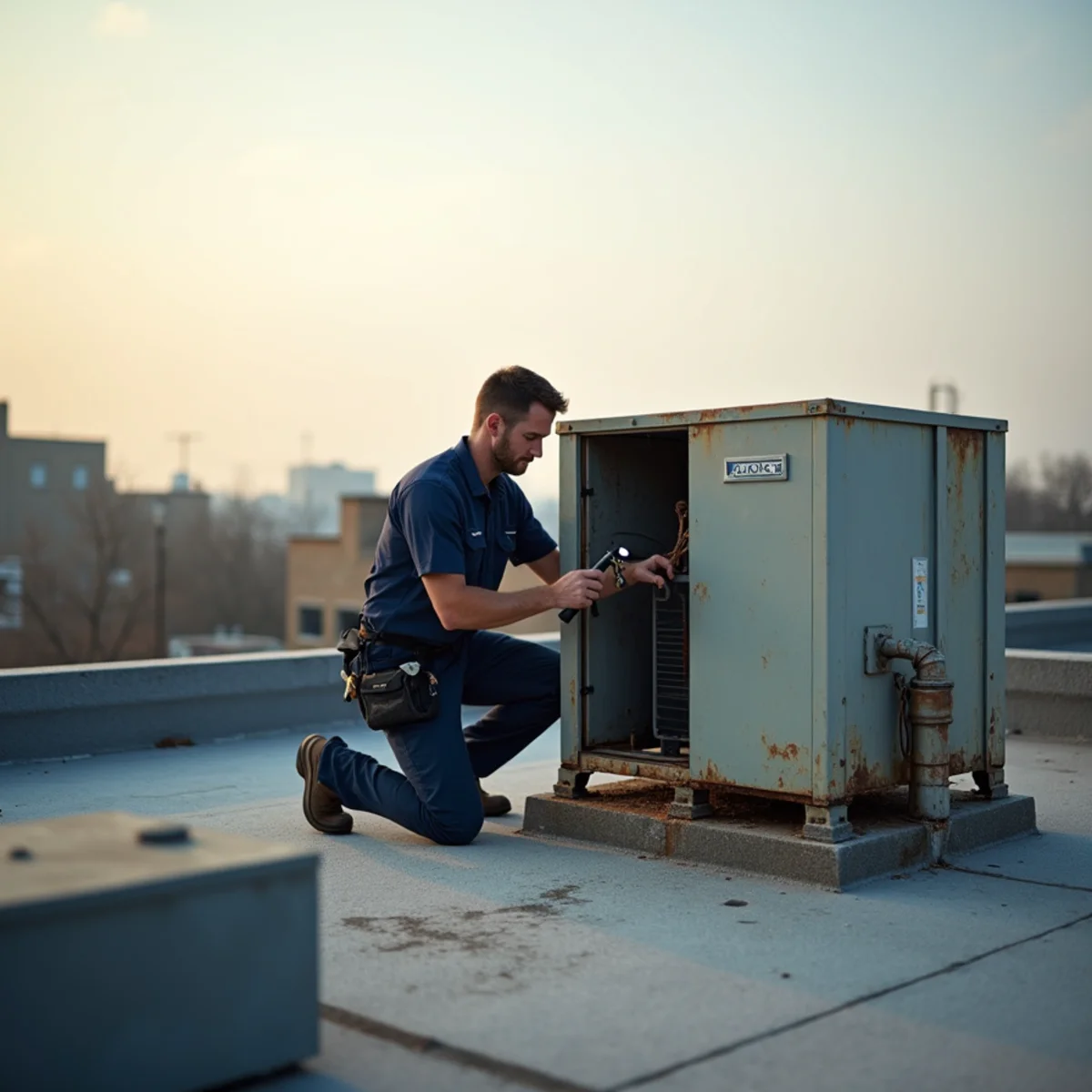

Short answer: To choose an HVAC contractor in Alamance County, verify the North Carolina license and insurance, insist on a Manual J load calculation and a ductwork inspection, and get an itemized written quote with permits included. Ask who will do the work and how service calls are handled, and read detailed recent reviews before you sign.
Equipment brands get most of the attention, but the truth is that installation quality decides how a system performs. The same unit can run quietly for years in one house and struggle from day one in another, depending on who sized it, set the refrigerant charge, and connected the ducts.
That makes choosing the contractor the most important part of the decision. Here are the ten questions we'd ask if we were on your side of the table, and what a good answer sounds like.
The 10 Questions at a Glance
| # | Question | What a good answer sounds like |
|---|---|---|
| 1 | Are you licensed in North Carolina? | Yes, with a license number you can look up yourself |
| 2 | Are you insured? | Yes, and a certificate is available on request |
| 3 | Will you do a load calculation? | Yes, a Manual J based on your actual house |
| 4 | What's wrong with my current system? | A specific diagnosis, not just its age |
| 5 | Will you inspect the ductwork? | Yes, before recommending equipment |
| 6 | Who pulls the permit? | We do, and we schedule the inspection |
| 7 | Is the quote in writing and itemized? | Yes, with options and what's included |
| 8 | Who will actually do the work? | A named person, not whoever is free |
| 9 | What happens if something goes wrong? | Clear warranty terms and a direct phone number |
| 10 | Can I see recent reviews? | Yes, on a public platform with real detail |
Credentials and Protection
1. Are you licensed in North Carolina?

North Carolina requires HVAC contractors to hold a state license for heating and air conditioning work. Don't take a logo on a truck as proof. Ask for the license number, then look it up on the NC State Board of Examiners of Plumbing, Heating & Fire Sprinkler Contractors website. It takes two minutes and confirms the license is active and covers the type of work being quoted.
Anyone handling refrigerant also needs EPA Section 608 certification. A reputable contractor won't hesitate when you ask.
2. Are you insured?
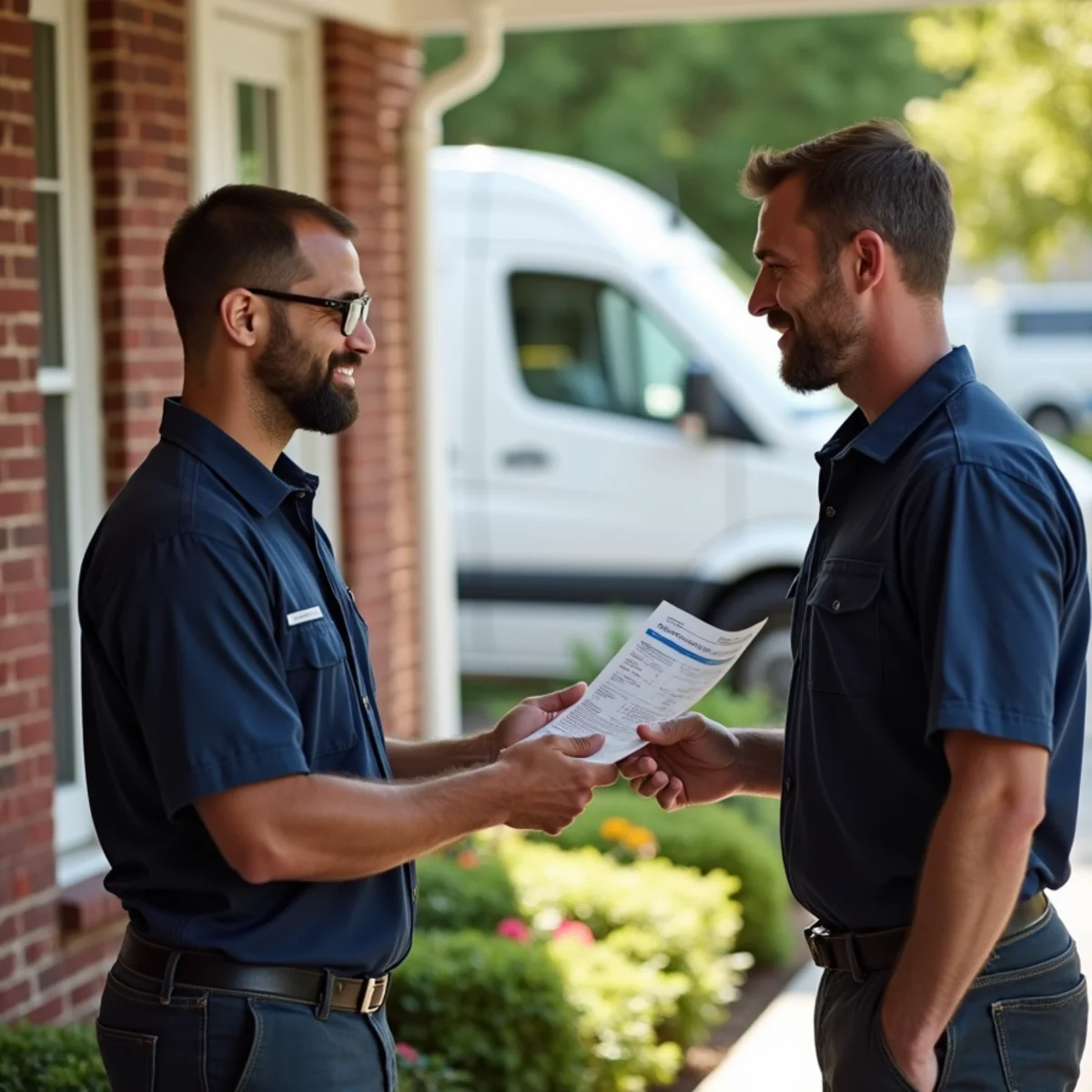
Liability insurance protects you if something gets damaged during the job. Ask for a certificate. If a contractor gets vague here, move on.
How They Size and Diagnose
3. Will you do a load calculation?
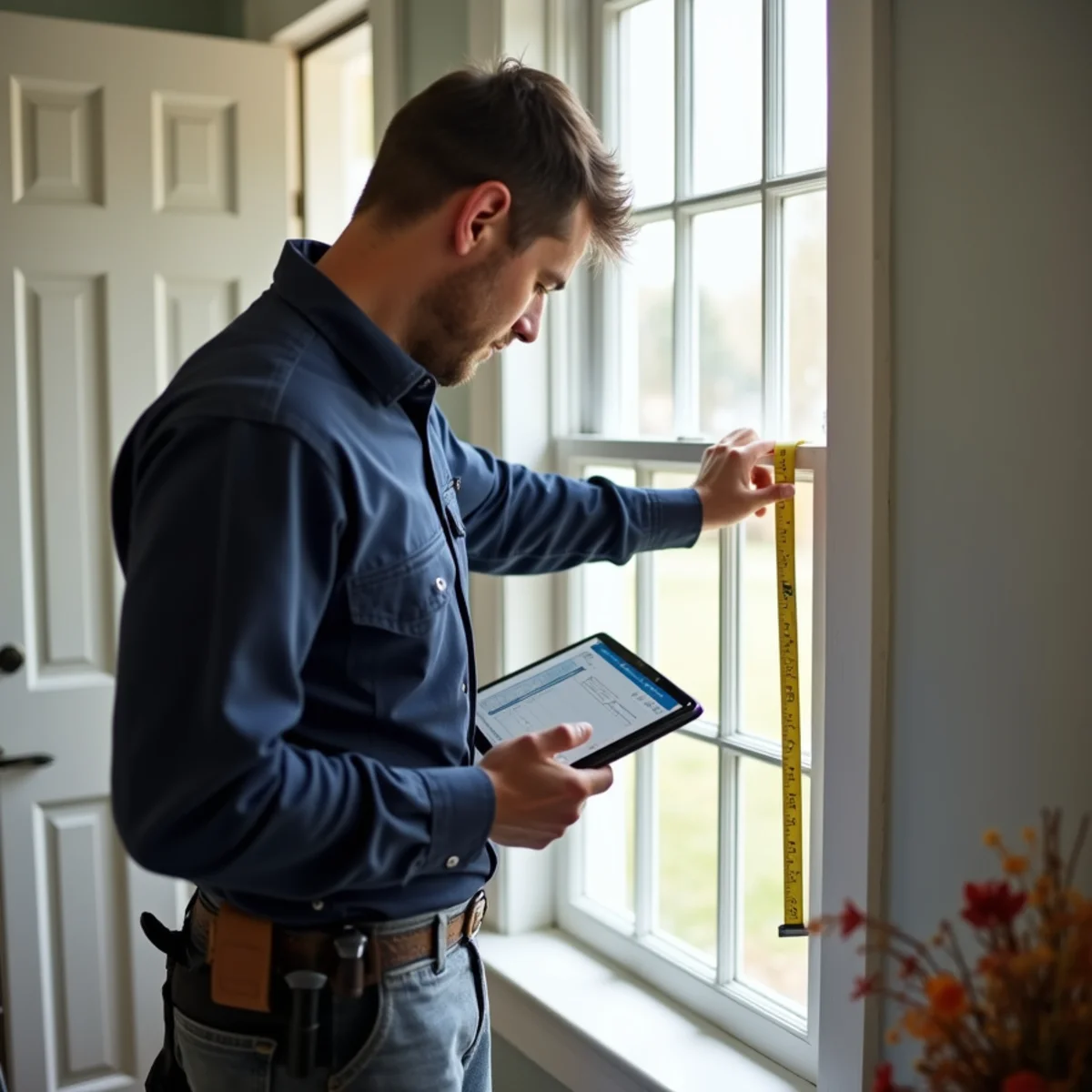
A Manual J load calculation looks at square footage, insulation, windows, orientation, and air leakage to figure out how much heating and cooling your house needs. The shortcut is to match whatever size is there now. That old unit may have been wrong from the start, and an oversized system in our humid summers short-cycles and leaves the house clammy.
4. What's actually wrong with my current system?
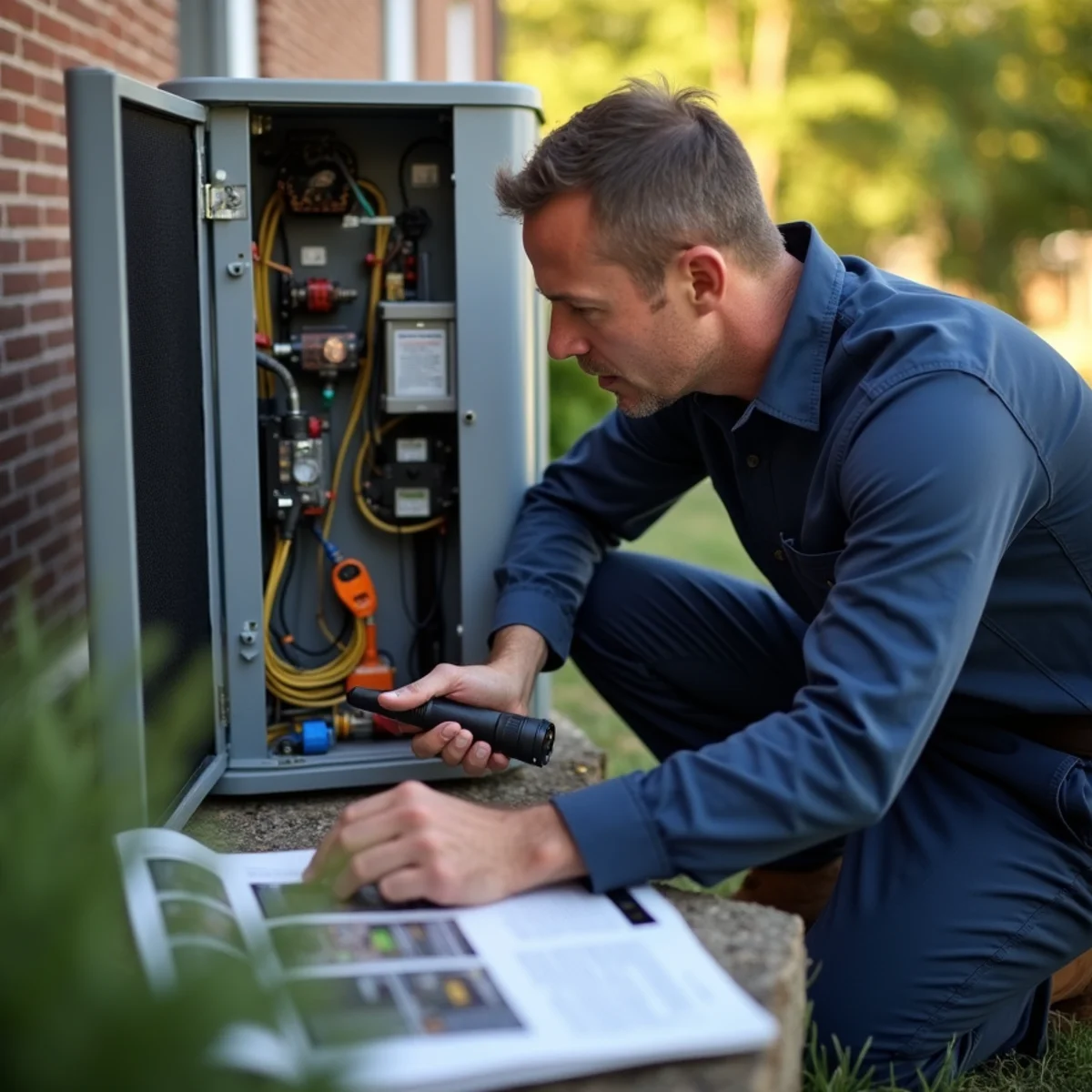
If you're being told to replace, you deserve to know exactly why. Is it a failed compressor, a cracked heat exchanger, a refrigerant leak in the coil? Age alone isn't a diagnosis. Plenty of 15-year-old systems have years left with the right repair, and a good contractor will tell you so.
5. Will you inspect the ductwork?
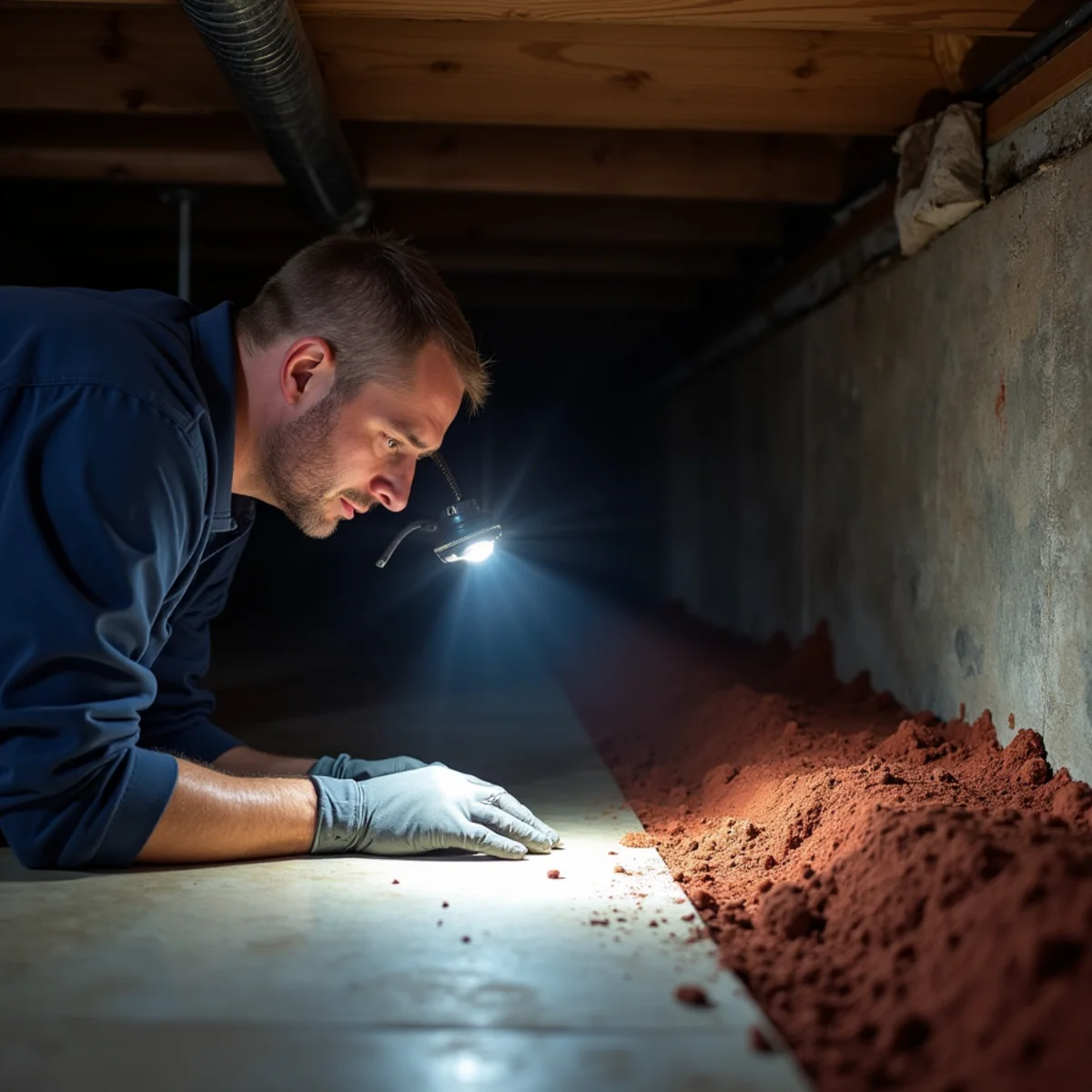
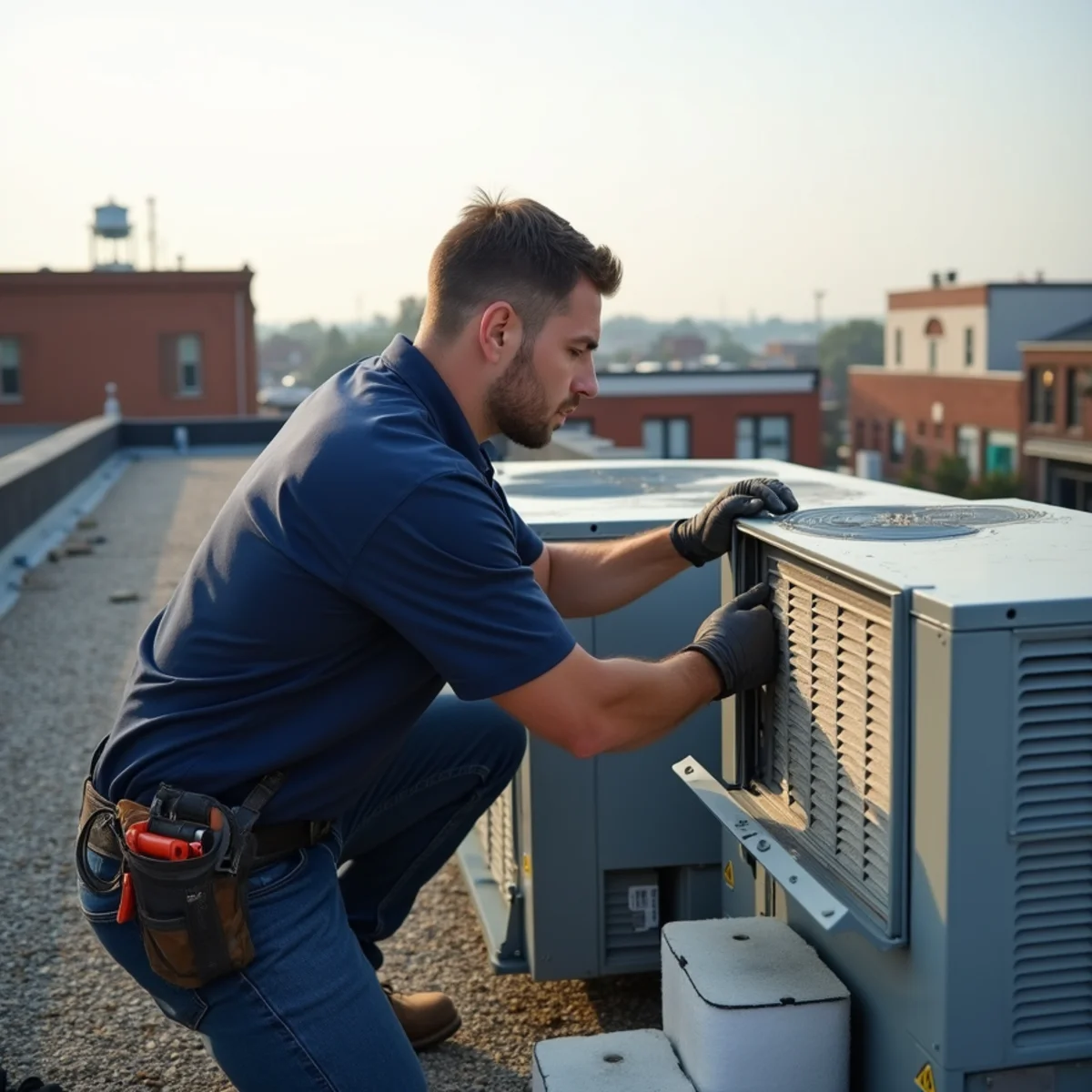
In Alamance County we see a lot of crawlspace ductwork that's torn, disconnected, or sagging onto the dirt. Putting new equipment on a leaky duct system throws away much of the efficiency you're paying for. Ask whether the quote includes duct inspection and repair or replacement where needed, or whether the ducts are being ignored.
Paperwork and Process
6. Who pulls the permit?
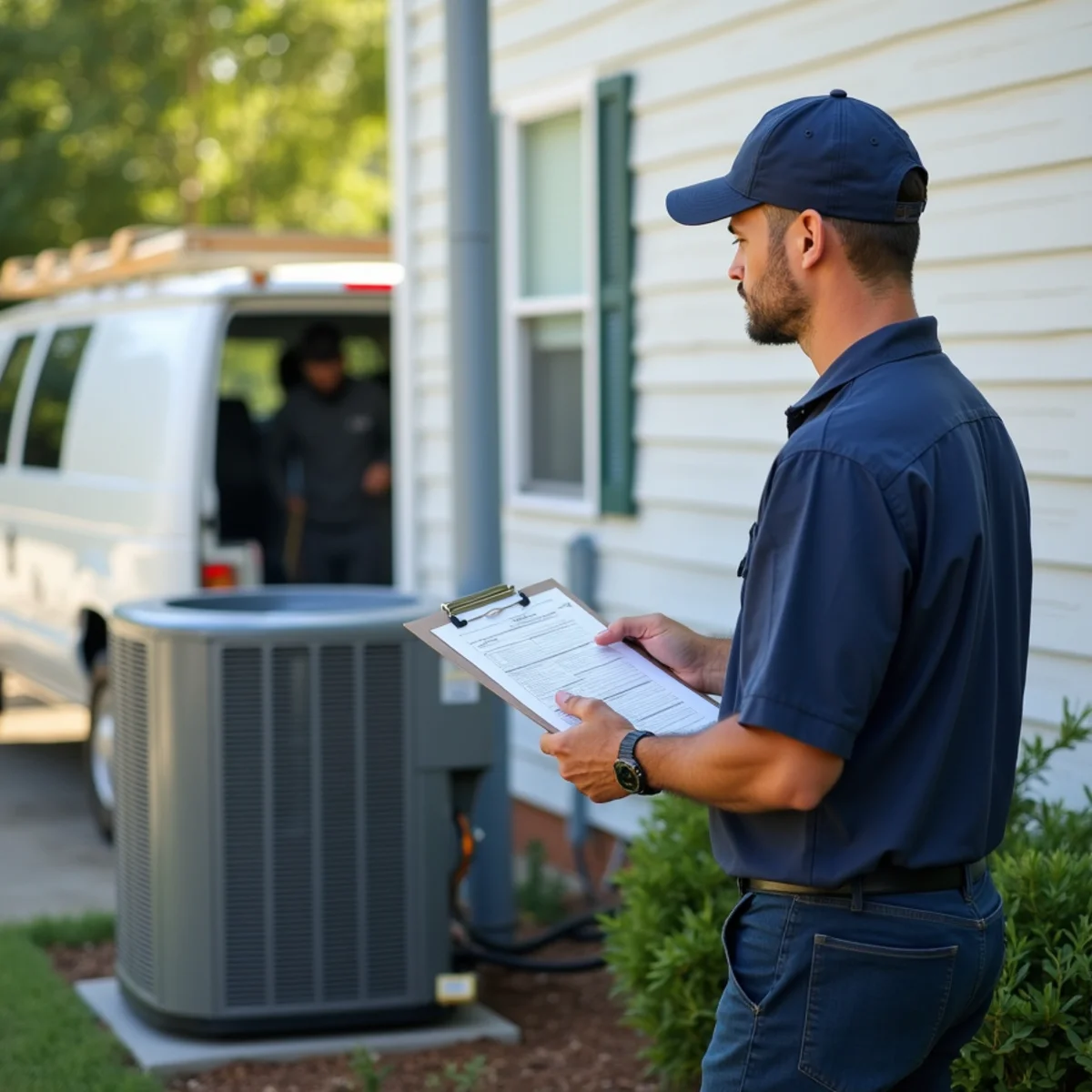
HVAC replacements generally require a mechanical permit and an inspection, whether you're inside Burlington city limits or out in the county. The contractor should pull it. A contractor who suggests skipping the permit to save money is also skipping the inspection that checks their work.
7. Is the quote in writing and itemized?

A good quote spells out equipment model numbers, efficiency ratings, what's included (thermostat, pad, line set, disposal, permit), and what isn't. Getting two or three written options at different price points is reasonable. Be cautious of a single number scribbled on a business card.
8. Who will actually do the work?
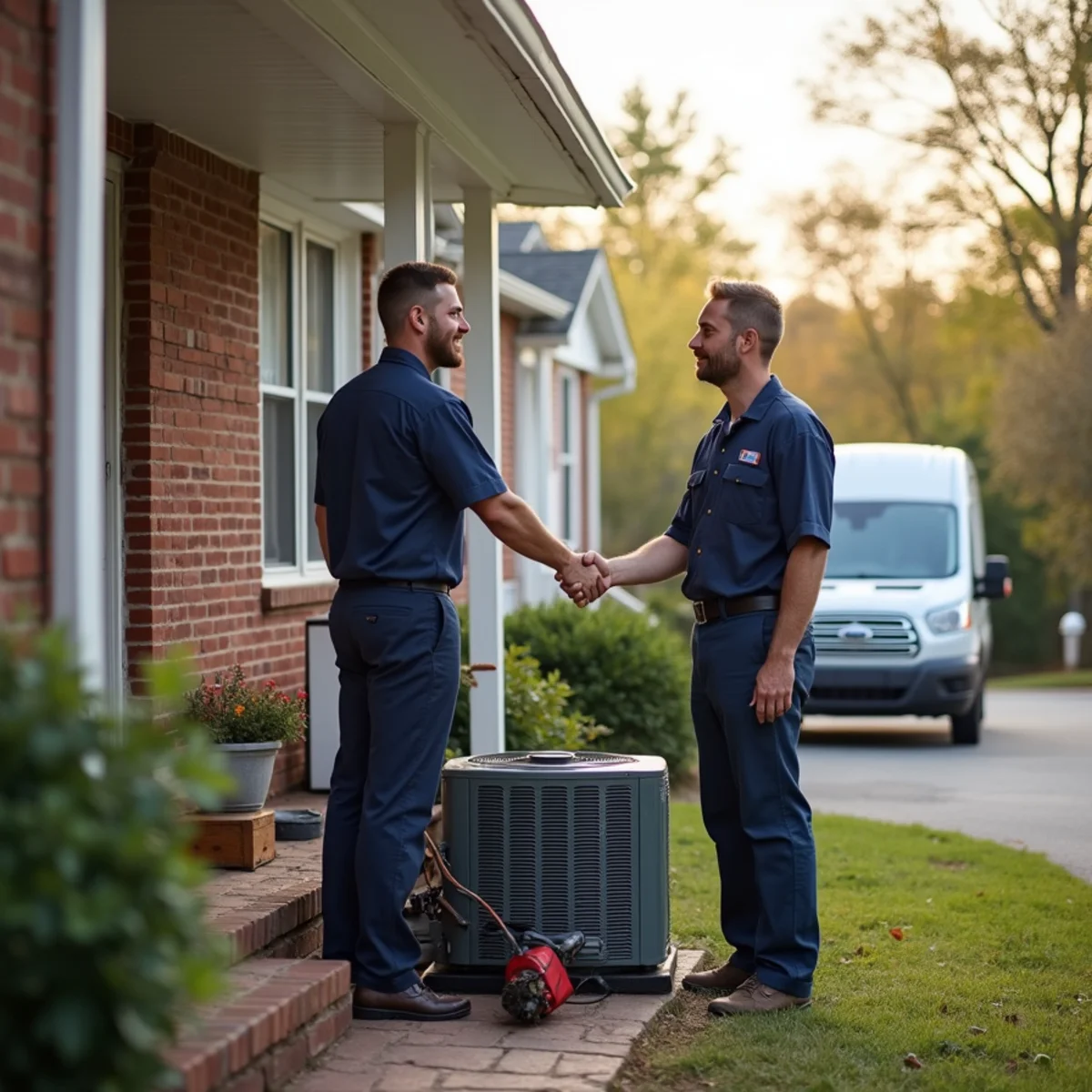
Some companies sell the job with one person and send an unfamiliar crew to install it. Ask who will be on site and who you call with questions. With an owner-operated shop, the person quoting the job is often the person doing it.
After the Install
9. What happens if something goes wrong?
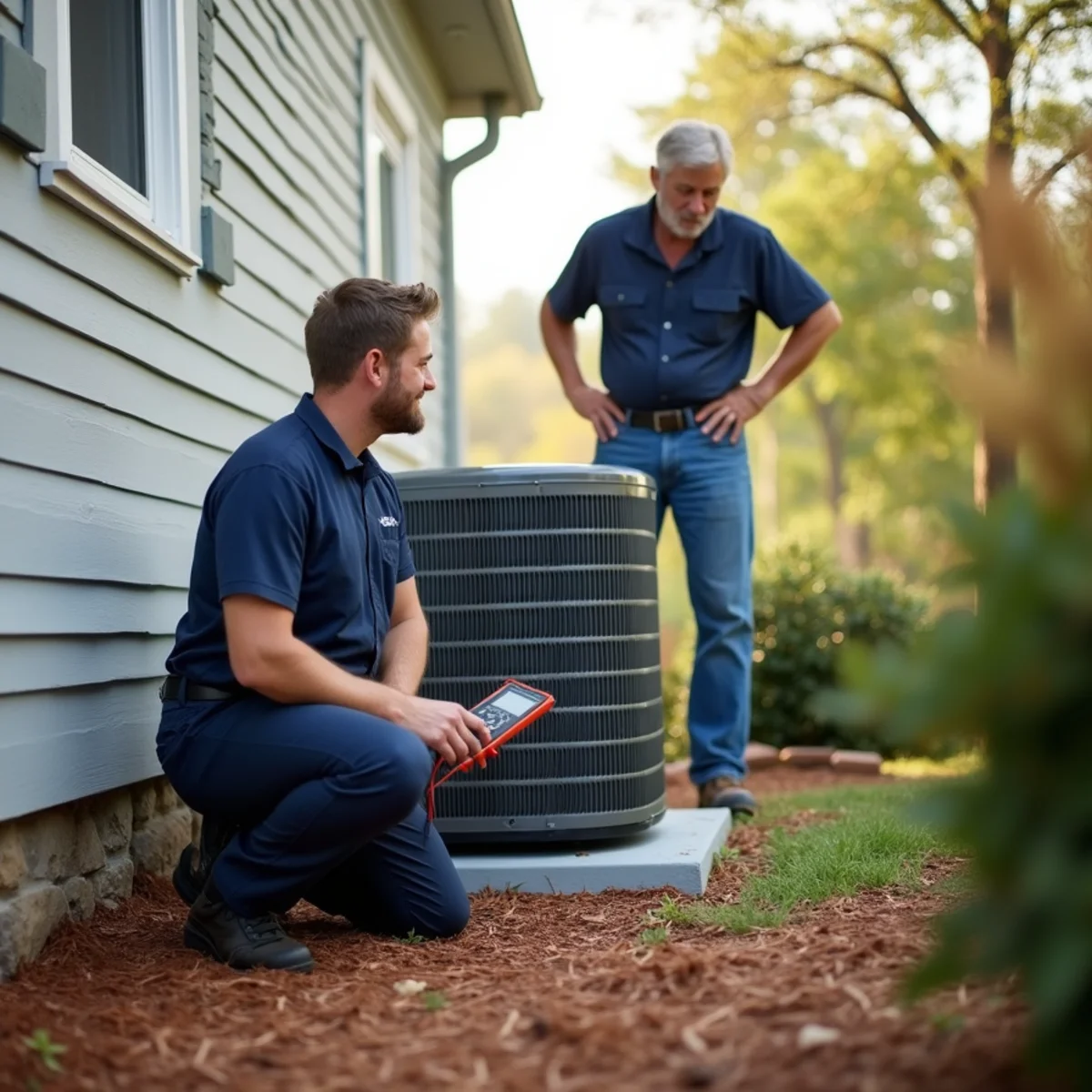
Ask about the manufacturer's parts warranty, whether the equipment needs to be registered, and what the contractor covers on labor. Get it in writing. Also ask how service calls work: do you reach a person, and how quickly do they typically respond?
10. Can I see recent reviews?
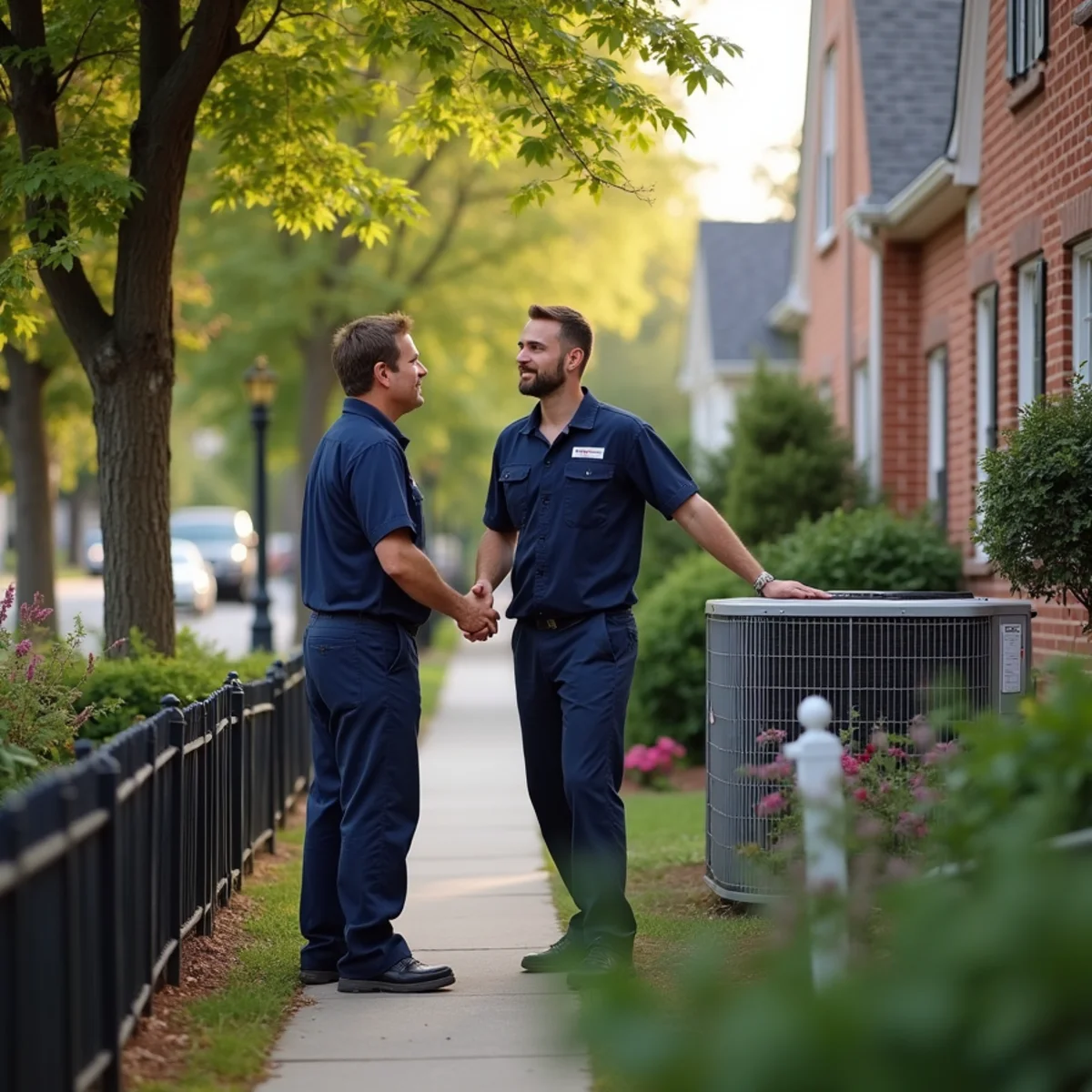
Read the reviews for specifics: did the tech explain things, show up when promised, stand behind the work? Detailed reviews on Google tell you more than a star rating. Ask neighbors, too. In towns like Graham, word of mouth still counts for a lot.
What Else Is Worth Asking
- Do you offer financing, and what are the terms?
- Do you offer a maintenance plan to keep the new system under warranty requirements?
- Will you walk me through the thermostat and filter before you leave?
- How long will the install take, and will I have heat or AC in the meantime?
How We Answer These Questions
Littlejohn HVAC Solutions is owner-operated by Jesse Littlejohn, licensed and insured, and based right here in Burlington. We do the load math, look at your ducts, give you written options before any work, and there's no pressure to replace what can be repaired. Our reviews talk about honest diagnoses, clear explanations, and clean job sites, and we'd rather earn your trust than rush you.
We serve homeowners across Alamance County and the surrounding area, usually with same-day service on most calls.
Hiring an HVAC contractor: myths vs. facts
Myth: A replacement price over the phone is just as good as an in-home quote.
Fact: A phone number can only be based on the old unit's size and a rough square footage. It can't account for leaky ducts, an undersized return, a panel with no spare capacity or a crawlspace that needs work first. Those items are exactly what change the final bill, so a quote without a visit usually grows once the job starts.
Myth: Skipping the permit just saves money and paperwork.
Fact: The inspection is a second set of eyes on the work: gas piping and venting, electrical disconnects, clearances and condensate drainage. An unpermitted install can also surface when you sell the house and a buyer's inspector asks for records. A reputable contractor includes the permit in the quote rather than offering to leave it out.
Myth: The manufacturer's warranty covers everything automatically.
Fact: Many manufacturers require the equipment to be registered within a set window after installation, or the parts coverage drops to a shorter base term. Parts coverage also doesn't include the labor to install a replacement part. Ask the contractor who registers the equipment and what labor coverage they provide, and keep both in writing.
Myth: A bigger company will always get to you faster in an emergency.
Fact: Response time depends on how far the tech is based from you, how the schedule is loaded that day and whether a person answers after hours. A large operation on a busy July afternoon may be booked for days. Ask any contractor how emergency calls are handled and what a realistic arrival window looks like.
Hiring for an Alamance County house
A few questions carry extra weight here because of how the county is built and governed.
- Which permit office applies? Depending on the address, inspections may run through a city such as Burlington or Graham, or through Alamance County for unincorporated roads. A contractor who works here regularly knows which one covers your road without looking it up.
- Have you worked on houses like mine? Mill-village frame houses on piers, postwar brick ranches and newer subdivision homes along I-40/85 each fail differently. Ask for the specific problems they expect to find in yours.
- Will you go under the house? Damp red-clay crawlspaces sit under a large share of county homes, and a quote that ignores them is incomplete.
In Graham, about 10 minutes from our base, that often means an 18-inch crawlspace under an early-1900s house near Court Square. Out toward Snow Camp, it means asking how the contractor schedules a longer drive. Our Alamance County HVAC service page lists the towns we cover and how we handle calls in each.
From the field: how to compare quotes line by line
Two quotes for "a 3-ton heat pump" can describe very different jobs. When homeowners show Jesse other bids, these are the lines he looks for, because they separate a careful install from a fast one.
- An AHRI matched-system number. The outdoor unit and indoor coil or air handler should be a certified match. That number confirms the efficiency rating you're paying for is real for the pair being installed.
- Line set: new or reused? Reusing old copper can be fine if it's the right size and gets flushed, but the quote should say which.
- Brazing with nitrogen. Flowing nitrogen through the lines while brazing keeps scale from forming inside the copper and clogging the metering device later.
- Evacuation to a measured vacuum. A micron gauge reading, not just "ran the pump for a while," proves moisture and air are out before refrigerant is released.
- A startup sheet. Superheat or subcooling, static pressure and temperature split, written down and left with you.
An honest note on price: a low bid that skips these steps can still cool the house on day one. The difference shows up years later as a failed compressor or a leak nobody can trace. Ask each contractor to walk you through their process, and pay attention to who explains it plainly.
Start With the Right Questions
Bring this list to every contractor you talk to, including us. When you're ready for a straight answer on a new system, request an HVAC installation estimate and we'll walk through all ten questions with you in person.
Frequently asked questions
How do I verify an HVAC contractor's license in North Carolina?
Ask the contractor for their license number, then search it on the NC State Board of Examiners of Plumbing, Heating & Fire Sprinkler Contractors website. The listing shows whether the license is active and what classification it covers, so you can confirm it matches the work being quoted.
How many HVAC quotes should I get?
Two or three written quotes is a good rule for a full replacement. Compare them line by line: equipment size and efficiency, whether a load calculation was done, ductwork, permits, and warranty terms. The lowest number isn't always the best value if it leaves out work the others included.
Should an HVAC contractor do a load calculation before replacing my system?
Yes. A Manual J load calculation is the right way to size heating and cooling equipment. Simply matching the old unit's size can repeat an original mistake. In our humid summers, an oversized system cycles too quickly to remove moisture, which leaves the house feeling damp even when the thermostat is satisfied.
Local service for this topic

Written by Littlejohn HVAC Solutions, LLC. Owner Jesse Littlejohn is a licensed HVAC professional serving Burlington and Alamance County. About us